









Persistent Back Pain – Improve Comfort With Better Habits
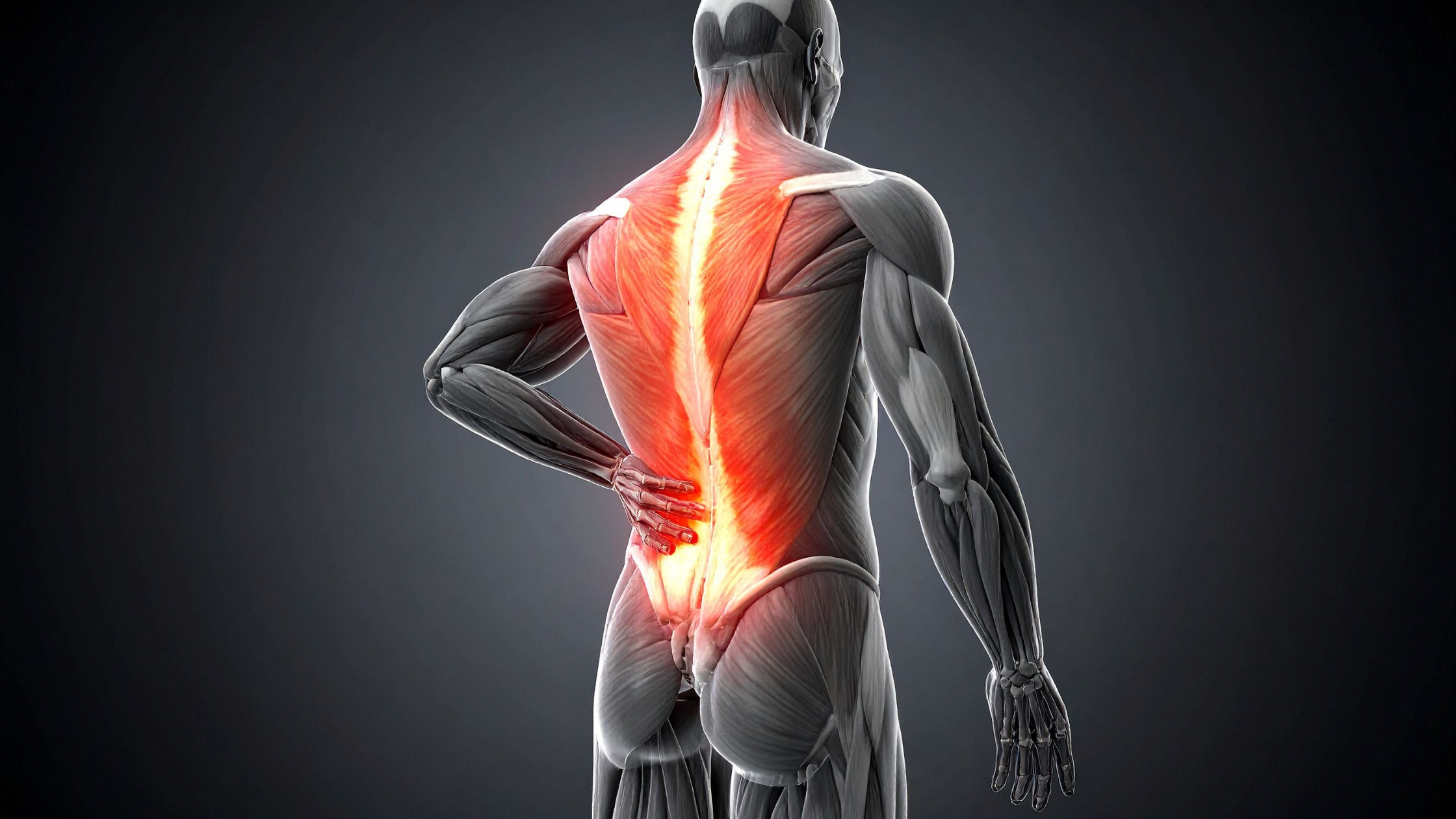
Persistent back pain can interfere with sitting, sleeping, walking, working, and ordinary household tasks. Better movement habits, sensible activity, supportive work setups, and attention to positions that repeatedly aggravate discomfort may help some people manage daily life, but ongoing pain can have many causes and sometimes needs professional evaluation.
Symptoms and appropriate care differ from person to person.
Pay Attention to the Pain Pattern
Back pain is more useful to describe as a pattern than as a single number. Notice where discomfort occurs, what movements worsen it, whether it spreads into a leg, and whether stiffness changes after sitting, sleeping, standing, or physical activity.
A health professional may also ask when the problem began and whether an injury preceded it. MedlinePlus guidance on back pain explains that back pain can range from a dull ache to sudden sharp pain and that treatment depends on the type and cause.
| Pattern to Notice | Useful Detail | Why It Helps |
|---|---|---|
| Pain after sitting | Length and posture | Shows activity relationship |
| Pain during movement | Specific motion | Identifies aggravating actions |
| Pain spreading downward | Location and direction | Helps describe nerve-related symptoms |
| Morning stiffness | Duration and change | Adds context for evaluation |
Recording a few observations can make a medical conversation more specific.
Build Movement Into Long Sitting Periods
Remaining in one position for hours can leave the back feeling stiff or uncomfortable. Short movement breaks, changing position, and adjusting how you sit may be easier to maintain than waiting until discomfort becomes intense.
People often encounter general online reading while searching for lifestyle ideas. For medical decisions, however, general web material should not replace advice from qualified health professionals who can consider your symptoms and medical history.
Make Your Workspace Fit You
A chair, desk, screen, and keyboard should allow you to work without repeatedly twisting or reaching. Adjusting equipment may reduce unnecessary strain, although there is no single perfect posture that suits every body for an entire day.
Changing positions periodically can be as important as finding a comfortable starting position.
Stay Sensibly Active
Long periods of bed rest are generally not the default approach for uncomplicated back pain. MedlinePlus notes that extended bed rest can make back pain worse and describes staying appropriately active as part of home care when serious warning signs aren’t present.
Online searches may also lead through broader web directories containing mixed types of information. Separate general lifestyle reading from clinical guidance, especially before changing treatment, starting demanding exercise, or interpreting persistent symptoms yourself.
Activities should be adjusted to what you can do safely. Sharp worsening pain, new neurological symptoms, or other concerning changes deserve more attention than ordinary temporary muscle tiredness.
Review Repetitive Daily Strain
The problem may not be one dramatic movement. Repeated lifting, prolonged driving, awkward bending, carrying loads on one side, or returning to demanding activity too quickly can repeatedly irritate an already sensitive back.
Some people use general media notes and similar online sources when researching everyday habits. Such material can help generate questions, but it cannot determine the cause of persistent pain.
A clinician may consider your symptoms, examination findings, previous injuries, work demands, and other health factors when deciding whether further testing or treatment is appropriate.
Where Self-Diagnosis Goes Wrong
Back pain can come from muscles, joints, discs, nerves, injuries, and other causes. Similar symptoms may therefore occur in different conditions, and the intensity of pain alone doesn’t tell you exactly what is happening.
Another common mistake is assuming every persistent problem needs an imaging scan. Testing decisions depend on the clinical situation, particularly symptoms and warning signs.
Daily habits can influence comfort, but they aren’t proof of the underlying cause.
When Back Pain Needs Medical Attention
Seek prompt medical evaluation for concerning changes such as loss of bladder or bowel control, substantial weakness, difficulty walking, fever with back pain, or other serious new symptoms. Back pain following a significant injury also deserves medical attention. MedlinePlus lists neurological changes and other warning signs among reasons clinicians may consider urgent evaluation or imaging.
Persistent, unexplained, worsening, or disruptive pain should also be discussed with a qualified health professional rather than managed indefinitely through online advice alone.
Frequently Asked Questions
Can sitting all day make back pain feel worse?
Long periods in one position may contribute to stiffness or discomfort for some people. Changing position, taking movement breaks, and improving workstation setup may help, but persistent pain should be evaluated according to the individual symptom pattern.
Is walking helpful when your back hurts?
Gentle activity may be suitable for many uncomplicated cases, but the appropriate amount depends on symptoms and their cause. Stop and seek professional guidance if activity produces major worsening, weakness, numbness, or other concerning changes.
Why does back pain keep returning?
Recurring pain can have many explanations, including repeated physical strain, previous injury, underlying spinal conditions, or factors that aren’t obvious without evaluation. A clinician can assess the pattern rather than assuming one habit is responsible.
Use Habits as One Part of the Plan
Better movement, sensible activity, improved work positioning, and reducing repetitive strain may make daily life easier for some people with persistent back pain. They should be treated as supportive habits rather than a guaranteed solution.
If pain keeps returning, worsens, limits normal activities, or comes with concerning symptoms, arrange an appropriate medical evaluation so the underlying problem can be assessed.
This article is for general informational purposes and is not a substitute for professional medical advice, diagnosis, or treatment.