








Poor Posture Habits – Reduce Strain With Better Alignment
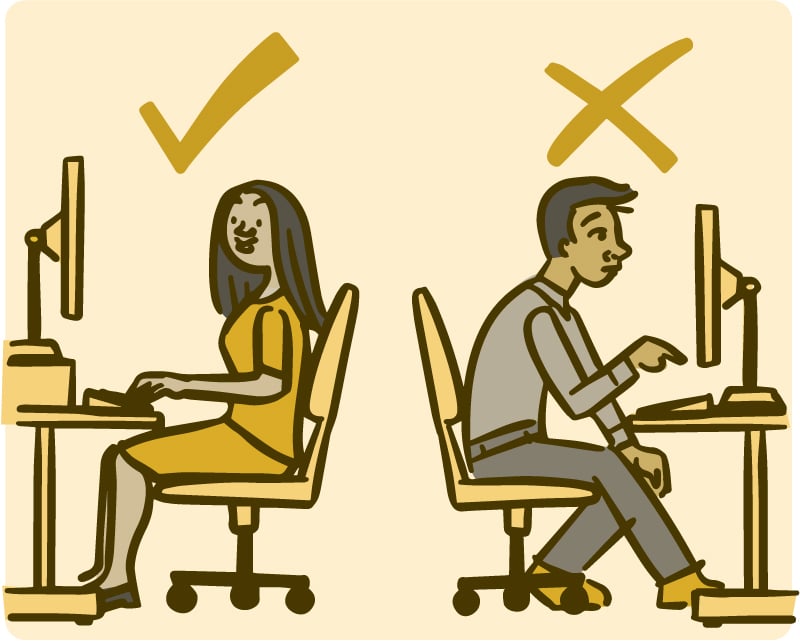
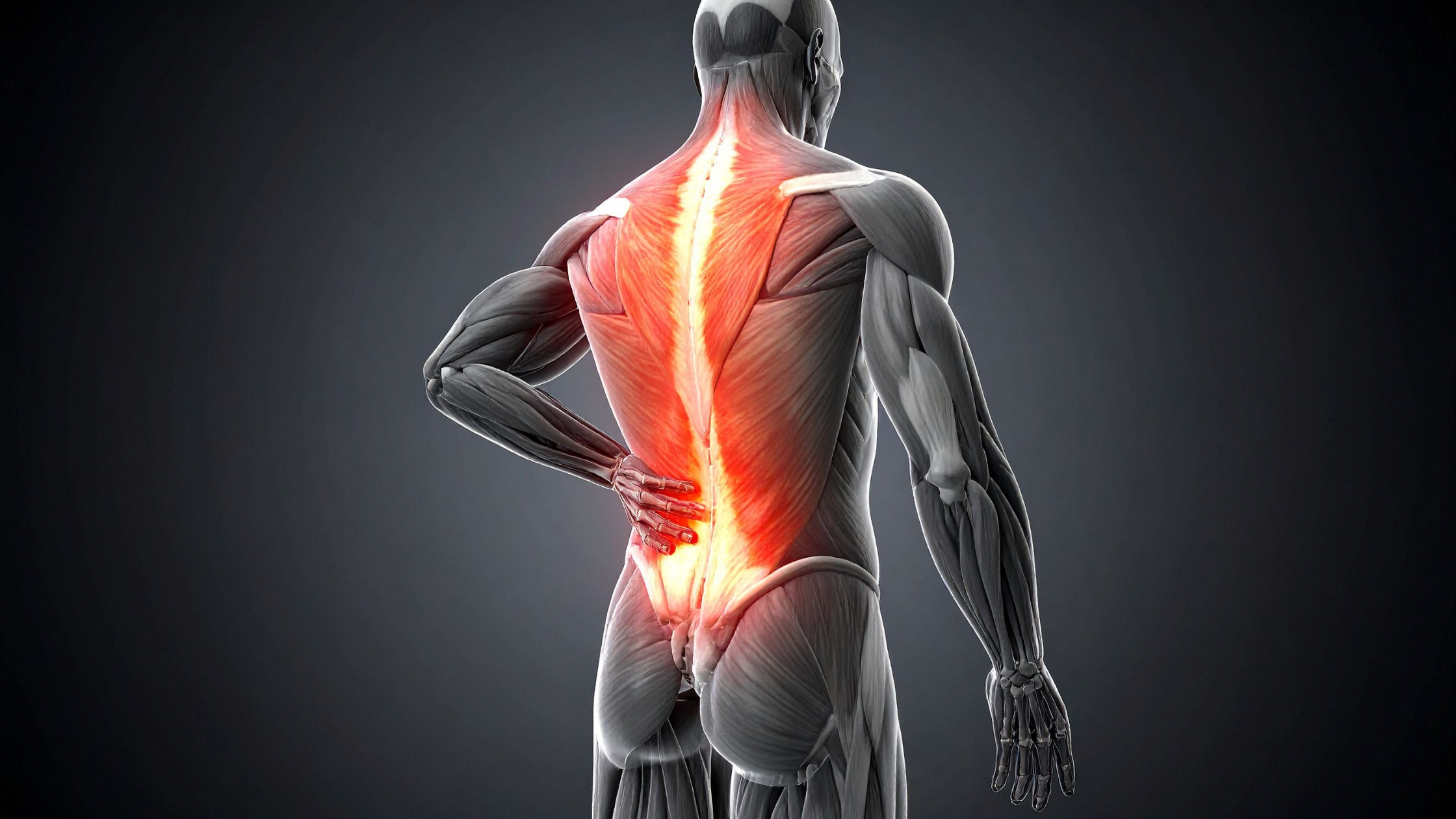
Poor posture habits can increase physical strain when the same awkward position is held for long periods. Better alignment isn’t about forcing your body into one rigid pose all day. It usually means arranging your work area comfortably, changing positions often, and noticing habits that repeatedly leave your neck, shoulders, wrists, or back feeling tense.
How Daily Posture Habits Create Strain
Problems often develop through repetition rather than one obviously harmful position. Leaning toward a laptop, reaching too far for a mouse, holding a phone between the shoulder and ear, or sitting without changing position can make certain muscles work harder.
Posture also changes naturally throughout the day. The goal isn’t perfect stillness. Movement and a workstation that fits your body are often more practical than constantly telling yourself to “sit straight.”
MedlinePlus provides additional ergonomics guidance covering workstation setup and posture-related considerations.
Adjust the Work Area Around Your Body
Begin with the equipment you use most. Position the screen so you aren’t repeatedly bending your neck downward, keep frequently used items within comfortable reach, and adjust the chair so you feel supported rather than perched on its front edge.
Browsing broader workplace comfort tips can be useful, but the important principle is simple: your equipment should fit your working position instead of forcing your body to adapt to badly placed equipment.
Pay Attention to Small Repeated Reaches
A mouse positioned several inches too far away may not feel troublesome for five minutes. After hours of repeated reaching, however, the difference becomes more noticeable.
Keep keyboards, pointing devices, phones, and frequently handled objects where your arms can reach them without continually lifting a shoulder or twisting your torso.
Break Up Long Periods of Sitting
Even a comfortable chair doesn’t make endless sitting ideal. Stand, walk briefly, change your working position, or complete a different task whenever practical.
Short movement opportunities can be incorporated into routines rather than treated as another complicated wellness project. People exploring daily wellness reading will encounter plenty of elaborate routines, but simple consistency often matters more than turning every break into a workout.
If you regularly forget to move, connect the habit to something you already do, such as finishing a call, refilling water, or completing a block of focused work.
| Habit | Possible Problem | Better Adjustment |
|---|---|---|
| Looking down at screen | Neck strain | Raise viewing position |
| Reaching for mouse | Shoulder tension | Move device closer |
| Sitting for hours | Stiffness | Change position regularly |
| Slouching forward | Uneven loading | Restore comfortable support |
Build Better Habits Gradually
Trying to hold an exaggerated “perfect” posture can create tension of its own. Instead, notice which positions are comfortable, supported, and sustainable.
Useful practical habit guides can provide ideas for making small routines stick. For posture, one workable approach is to correct one repeated problem at a time: screen height first, then chair position, then movement frequency.
Exercise and general physical activity may also support strength and mobility, but suitable activities differ between people. Persistent pain is a reason to seek individual guidance rather than copying a demanding online routine.
What People Commonly Get Wrong About Posture
One misconception is that discomfort always means you were sitting in a technically “wrong” position. Pain and stiffness can have many causes, and posture alone doesn’t identify them.
Another mistake is replacing normal movement with rigid positioning. Bodies are made to move. A comfortable setup combined with regular position changes is generally more realistic than trying to freeze the spine into one exact alignment for an entire workday.
Expensive ergonomic equipment isn’t automatically the answer either. Basic placement and adjustment problems should be corrected first.
When Should You Get Medical Help?
Seek medical evaluation if pain is severe, persistent, worsening, follows a significant injury, or interferes substantially with ordinary activities. Prompt medical attention is especially important for concerning symptoms such as new weakness, loss of sensation, major coordination problems, or loss of bladder or bowel control.
Posture-related assumptions shouldn’t delay evaluation of symptoms that may have another cause. A clinician can assess the pattern rather than relying on workstation changes alone.
Frequently Asked Questions
How long does it take to improve poor posture habits?
Habit change varies. Workstation adjustments can feel different immediately, while remembering to change positions and correcting repeated behaviors may take longer. Consistency is usually more useful than trying to transform every habit at once.
Is standing all day better than sitting?
Not necessarily. Remaining in any single position for long periods can become uncomfortable. Alternating between suitable positions and moving regularly is generally more practical than replacing prolonged sitting with prolonged standing.
Can poor posture cause neck and shoulder discomfort?
Awkward or sustained positions can contribute to muscular strain and discomfort, but neck or shoulder pain can have other causes as well. Persistent, severe, or unexplained symptoms deserve appropriate medical evaluation.
Make Your Work Position Easier to Maintain
Better posture starts with reducing the repeated habits that make your body work harder than necessary. Bring equipment within comfortable reach, support your working position, and change positions throughout the day.
If discomfort continues despite sensible adjustments, don’t assume posture is the entire explanation. Persistent or worsening symptoms are worth discussing with an appropriate health professional.
This article is for general informational purposes and is not a substitute for professional medical advice, diagnosis, or treatment.