












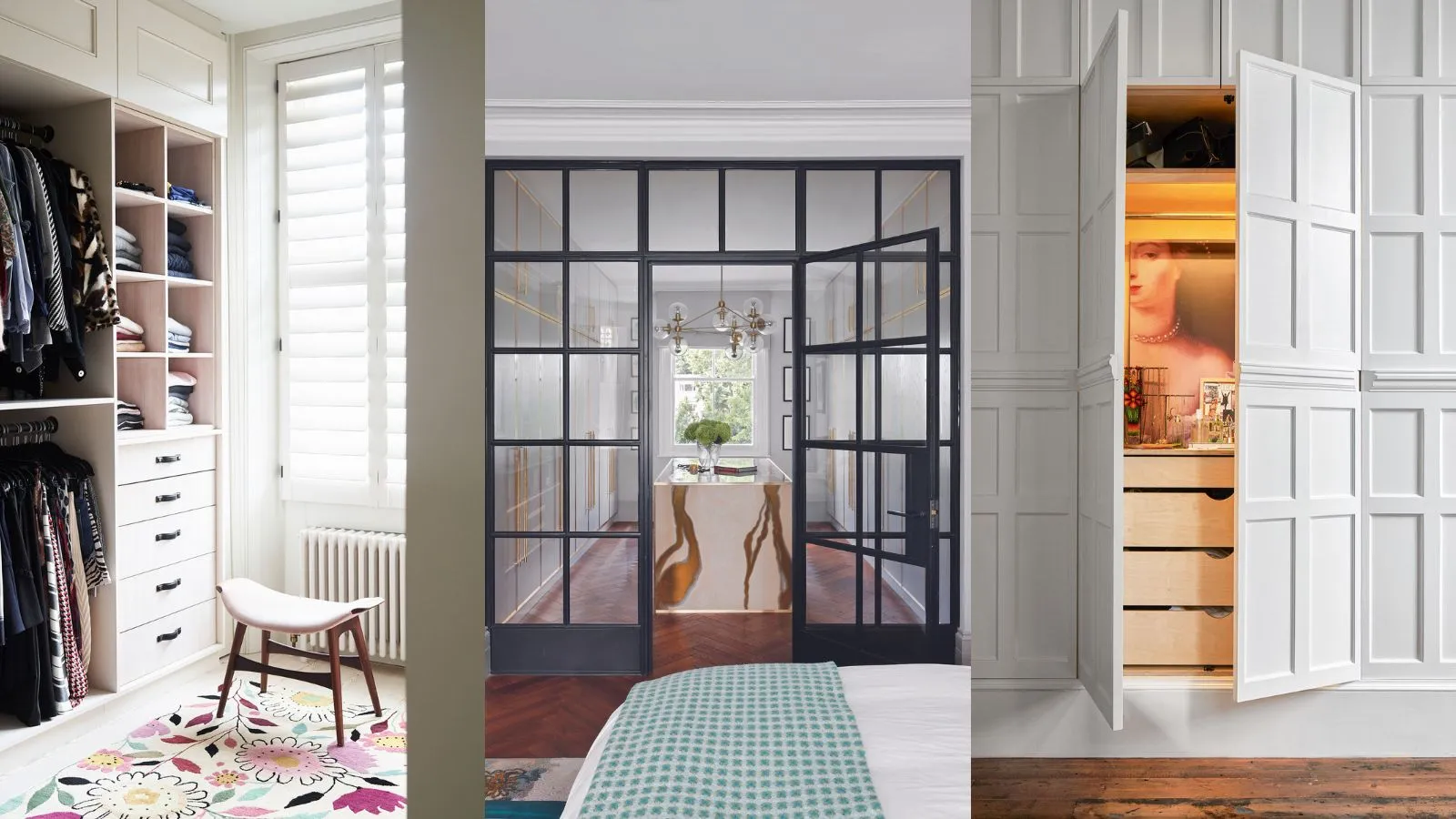
Overflowing Wardrobe Shelves: Organize Clothes for Easier Access
Overflowing wardrobe shelves turn a simple task into a daily search. Neatly folded stacks may look organized at first, but once clothing is packed too tightly, pieces disappear beneath one another and the system quickly collapses.
Better shelf organization depends less on perfect folding and more on visibility, logical grouping, and enough empty space to retrieve one item without disturbing everything around it.
Identify Why Your Shelves Keep Overflowing
Before buying baskets or organizers, determine what is causing the pressure. Sometimes the issue is too many clothes. In other closets, large categories are simply stored in the wrong places.
Bulky sweaters, jeans, hoodies, and linens can consume entire shelves. Exploring modern clothing inspiration may help you recognize which wardrobe categories matter most to your personal style so the most useful pieces receive the easiest storage positions.
Look for shelves you avoid using. Poor visibility or awkward height can make otherwise valuable space practically useless.
Group Similar Clothing Instead of Mixing Everything
A shelf becomes easier to manage when it has one clear purpose. Keep knitwear together, group casual shirts separately, and avoid mixing frequently worn items with special-event clothing.
This approach reduces searching because you already know where each type of clothing should be. Broader style organization ideas can also encourage you to think about your wardrobe in outfit categories such as workwear, casual wear, and weekend pieces.
Don’t make categories too narrow. Ten separate groups create more maintenance than three or four useful ones.
Choose a Folding Method That Keeps Items Visible
Traditional vertical stacks work well only when shelves aren’t deep and clothing is used frequently. Deep shelves often cause lower items to disappear beneath whatever sits on top.
Bins, shelf dividers, or upright folding can improve visibility depending on the garment. The best method is the one you can restore quickly after laundry day.
| Clothing Type | Helpful Storage Method | Common Problem |
|---|---|---|
| T-shirts | Upright fold or shallow stack | Hidden lower shirts |
| Sweaters | Wide folded stacks | Piles become unstable |
| Jeans | Short sturdy stacks | Shelves become too heavy |
| Accessories | Small labeled bins | Loose pieces spread |
Keep Everyday Pieces Within Easy Reach
The center shelves between roughly waist and shoulder height are usually the easiest to use. Reserve them for clothes you reach for most often rather than sentimental pieces or rarely worn outfits.
Less frequently used clothing can move higher or lower. Looking through practical outfit inspiration may help you identify which garments repeatedly form the base of your everyday outfits and deserve priority placement.
Seasonal clothing can be moved completely out of the main wardrobe when space is tight.
Where Shelf Organization Commonly Fails
Many organization projects fail because they focus on containers instead of volume. Adding six baskets to an already overloaded wardrobe may hide the clutter without reducing it.
Overly tall stacks are another problem. They look efficient, but removing one shirt from the middle can collapse the entire pile. Keep stacks low enough that individual pieces remain accessible.
Avoid storing unrelated miscellaneous objects on clothing shelves too. Bags, paperwork, electronics, spare bedding, and random household items quickly blur the purpose of the space.
Frequently Asked Questions
Are shelf dividers useful for wardrobes?
They can be helpful for keeping sweater, shirt, or bag sections from spreading into one another. They work best when shelves already contain a manageable amount of clothing.
Is rolling clothes better than folding them?
Rolling can save space for certain lightweight garments, especially in drawers or travel bags. On wardrobe shelves, upright or traditional folding is often easier because the clothing remains stable and visible.
How can I organize deep wardrobe shelves?
Use shorter stacks, bins that can be pulled forward, or separate front and back zones. Store rarely used pieces behind frequently used ones rather than allowing everyday clothing to disappear into the depth.
Make Every Shelf Easy to Use
An organized wardrobe should survive normal life, including rushed mornings and laundry days. If the system requires perfect folding every time, it may be too complicated.
Give each shelf a clear job, reduce oversized stacks, and keep your most-used clothes visible. Easier access naturally makes the entire wardrobe feel calmer and more spacious.