










Greasy Kitchen Walls – Cut Buildup Without Harsh Scrubbing
Grease on kitchen walls often forms gradually, especially near ranges, counters, and ventilation areas. Trying to remove the entire layer with force can damage paint before the grease disappears. Greasy kitchen walls respond better to repeated light cleaning that softens oily residue and lifts it away without excessive friction.
Prepare the Wall and Cleaning Area
Remove nearby countertop items and protect the floor with old towels. Dust the wall first using a dry microfiber cloth because loose particles can turn into muddy streaks once water is introduced.
Check the paint finish before using any stronger cleaner. Flat or matte paint generally tolerates less washing than satin, semi-gloss, or other more washable finishes.
A functional kitchen arrangement may also reduce cleaning headaches over time. Looking at kitchen layout inspiration can encourage better placement of cooking, preparation, and storage zones where grease commonly travels.
Break Down Grease Gradually
Start with warm water and a small amount of mild dish soap. The goal is to loosen the oily film, not flood the wall with detergent.
Work From the Bottom Up
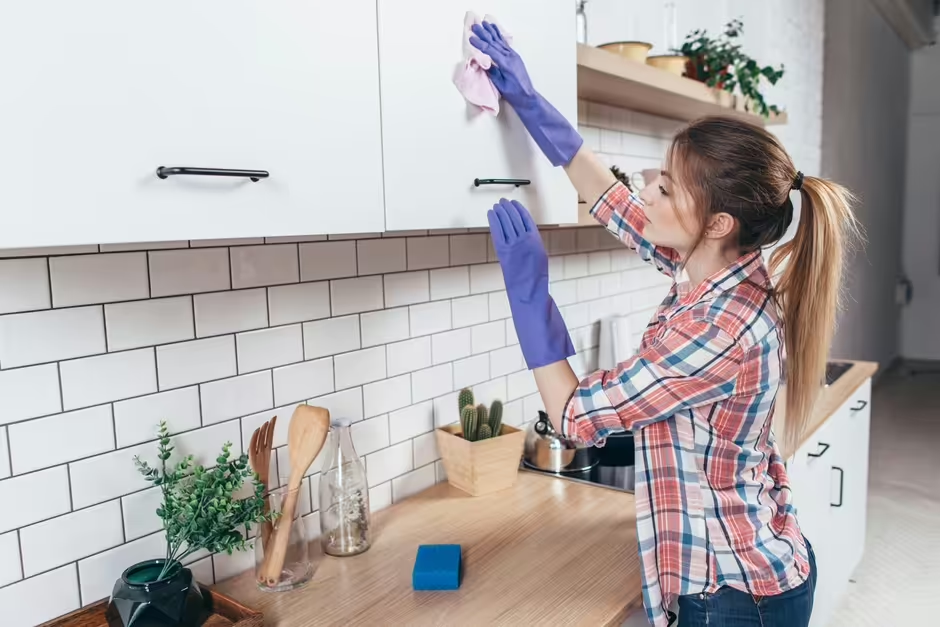
Cleaning painted walls from the bottom upward can reduce obvious dirty drip marks. Use a soft sponge or microfiber cloth that is damp rather than dripping.
Wipe a small section gently, then rinse the cloth frequently. Thick grease may need several passes.
Avoid abrasive pads unless the wall material specifically tolerates them. A scouring surface can change the sheen of paint, leaving a clean patch that still looks damaged under normal lighting.
Rinse the Cleaned Surface
After the grease releases, wipe the area again using a fresh cloth dampened with plain water. Soap residue can make the wall feel tacky and may collect dust faster.
Homeowners gathering cleaning-focused home edits can use the same principle throughout the kitchen: match the cleaning method to the finish instead of using one aggressive product everywhere.
| Wall Condition | First Approach | What to Avoid |
|---|---|---|
| Light oily film | Mild soapy water | Heavy scrubbing |
| Sticky splash | Repeat gentle passes | Abrasive pads |
| Matte paint | Minimal moisture | Strong degreasers |
| Washable finish | Damp microfiber cloth | Letting cleaner dry |
Deal With Stubborn Areas Carefully
Heavy buildup around a stove may need a cleaner specifically labeled safe for the wall finish. Follow product directions and test a hidden area before treating a visible section.
Never combine different household cleaning chemicals. Mixing products can produce dangerous fumes or unpredictable reactions.
Once the walls are clean, examine the range hood and nearby ventilation. Grease that repeatedly settles on the same surface may indicate that filters need cleaning or cooking vapors aren’t being captured effectively.
Broader home surface care ideas can also help when coordinating wall cleaning with cabinet, backsplash, and countertop maintenance.
Where Kitchen Wall Cleaning Goes Wrong
The biggest mistake is treating grease like dried mud and trying to scrub it off mechanically. Grease responds to time, mild surfactants, and repeated wiping more readily than brute force.
Another problem is soaking painted drywall. Excess water can leave streaks, soften some finishes, or seep into damaged areas.
Don’t expect an old wall to look newly painted after cleaning either. Sun fading, old splashes, touch-up paint, and changes in sheen can remain visible even after the grease has been successfully removed.
Frequently Asked Questions
What removes grease from painted kitchen walls?
A small amount of mild dish soap mixed with warm water is a sensible starting point for many washable painted walls. Test first, use little moisture, and switch to a paint-safe degreaser only when lighter cleaning doesn’t work.
Why do kitchen walls feel sticky after washing?
Sticky walls often indicate remaining grease or cleaning-product residue. Wiping the surface again with a clean damp cloth and drying it afterward can remove leftover soap that would otherwise continue attracting dust.
How often should walls near a stove be cleaned?
There is no single schedule for every kitchen. Frequent cooking, frying, weak ventilation, and wall proximity can increase buildup. Light wiping before a thick greasy layer forms usually requires less effort than occasional intensive cleaning.
Clean in Layers, Not With Force
Kitchen grease rarely needs aggressive scrubbing when it is treated patiently. Remove dust first, soften oily residue with a mild cleaner, rinse the wall, and repeat only where needed. Small maintenance cleanings also prevent thin cooking films from becoming hardened buildup that takes much longer to remove later.