












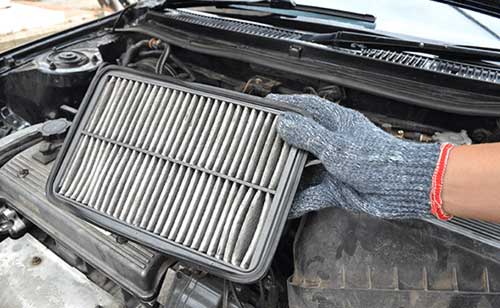
Dirty Air Filters – Improve Performance With Timely Replacement
An engine needs a steady supply of clean air to burn fuel efficiently. The air filter traps dust, insects, grit, and other debris before those contaminants can reach the intake system. Once the filter becomes excessively restricted, replacing it can restore normal airflow and help the engine operate as designed.
Replacement timing varies, so inspection is often more useful than relying on one universal mileage figure.
What the Engine Air Filter Actually Does
The filter sits in the intake path between outside air and the engine. Its job is simple but important: allow adequate airflow while capturing abrasive particles that could otherwise enter the engine.
Owners researching basic car maintenance guidance should distinguish the engine air filter from the cabin air filter. One protects engine airflow; the other filters air entering the passenger compartment.
Dirt Is Expected, Restriction Is the Problem
A filter does not need to look perfectly clean to work correctly. Some discoloration is normal because trapping contamination is its purpose.
Replacement becomes more important when debris heavily covers the filtering surface, airflow becomes restricted, or the manufacturer-specified service point has been reached.
Signs an Air Filter May Need Attention
A badly restricted filter can sometimes contribute to sluggish response, reduced airflow into the engine, or abnormal intake behavior. Modern engine-management systems can compensate for many changes, so dramatic fuel-economy improvements should not be promised from a filter replacement alone.
Drivers reading vehicle performance articles may see numerous symptoms attributed to dirty filters, but those symptoms can also result from ignition, fuel, sensor, or mechanical problems.
| Observation | What It May Suggest | Next Step |
|---|---|---|
| Light surface dust | Normal use | Continue monitoring |
| Heavy debris buildup | Restricted filtering area | Consider replacement |
| Damaged filter media | Poor contaminant protection | Replace promptly |
| Loose filter housing | Unfiltered-air risk | Correct installation |
Environment Changes Filter Life
A vehicle driven mainly on clean paved roads may experience different filter loading than one frequently used around construction areas, farms, gravel roads, or dusty job sites.
That difference explains why practical vehicle ownership tips should be combined with actual inspection. Two identical vehicles can need filters at different times because their operating environments differ.
Installation Matters Too
Replacing the filter incorrectly can create a bigger problem than leaving a lightly used filter in place. The filter must sit correctly in the airbox so incoming air cannot bypass the media.
Before closing the housing, remove loose debris around the box without allowing it to fall into the intake tract.
Where Drivers Often Go Wrong
Replacing an engine air filter simply because it looks darker than new can waste money. Dust captured within the filter is evidence that the filter has been doing its job.
Another mistake is installing an incorrect size or forcing the airbox closed when the filter isn’t seated properly. A gap around the filter may allow contaminants to bypass the media entirely.
Drivers should also avoid assuming every rough-running engine needs an air filter. Misfires, fuel-delivery problems, vacuum leaks, sensors, and ignition faults require separate diagnosis.
Frequently Asked Questions
Can a dirty air filter reduce fuel economy?
A heavily restricted filter can affect engine airflow, although the size of any fuel-economy change depends on the vehicle and engine-management system. Replacing a serviceable filter solely for expected fuel savings may provide little measurable benefit.
Can I clean and reuse a disposable air filter?
Most standard paper engine air filters are designed for replacement rather than washing. Cleaning methods can damage the media. Reusable filters should only be serviced according to their manufacturer’s specific procedure.
How can I tell whether my air filter fits correctly?
The filter should sit evenly in its housing without crushed edges, large gaps, or interference when the cover closes. Compare the replacement with the original part and verify the specified part number.
Keep Clean Air Reaching the Engine
Air-filter maintenance works best when based on inspection, driving environment, and manufacturer guidance rather than guesswork. Check the filter during routine servicing and replace it when it becomes excessively loaded, damaged, or overdue.
A small filter protects a much more expensive engine. Correct selection and careful installation matter just as much as replacement timing.