











Cracked Wall Issues: Stop Small Gaps Growing Larger
A small wall crack may be little more than a cosmetic defect, but some cracks can signal movement that deserves closer attention. The key is not simply filling the gap. Cracked wall issues should be evaluated by location, direction, width, and whether the crack is changing before any repair material goes on the wall.
Identify What Kind of Crack You Have
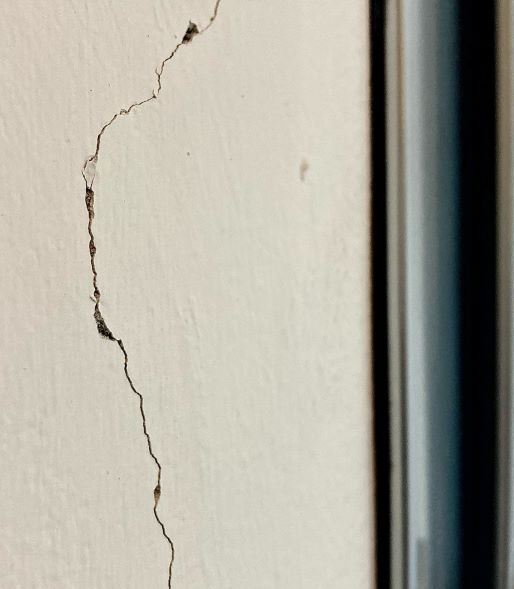
Hairline cracks commonly appear in drywall joints, plaster, or painted surfaces as materials dry, settle, and respond to temperature changes. These are often narrow and fairly stable.
Diagonal, stair-step, repeatedly reopening, or rapidly widening cracks deserve closer inspection. Cracks near doors and windows can also appear when framing or finishes shift.
For broader household maintenance reading, indoor maintenance references may provide useful context while you compare wall finishes and routine repair concerns.
Watch the Crack Before Covering It
A quick repair can hide useful clues. Photograph the crack with a ruler beside it, note the date, and check it again periodically.
If the crack grows, returns soon after repair, or appears with sticking doors, sloping floors, or separating trim, the pattern may matter more than the crack alone.
People researching the outside of the same building may also review building exterior references when checking masonry, drainage, exterior walls, and weather exposure.
Repair Stable Drywall Cracks Properly
For a small, stable drywall crack, remove loose paint or crumbling compound first. Slightly opening a fragile surface crack can help repair compound bond to sound material rather than dusty edges.
| Crack Type | What to Check | Possible Approach |
|---|---|---|
| Hairline surface crack | Stable over time | Patch and repaint |
| Drywall seam crack | Tape condition | Retape if needed |
| Crack near opening | Door or window movement | Inspect framing clues |
| Widening crack | Continued movement | Seek further evaluation |
Apply joint compound in thin layers and allow each layer to dry. Sand lightly between coats rather than building one thick mound.
Match the Material to the Wall
Plaster, drywall, concrete, and masonry behave differently. A repair product that works well on drywall may not be appropriate for a masonry crack.
Home-improvement browsing sometimes leads people toward patio and exterior projects, where cracks in outdoor masonry may look similar but can be caused by different moisture, foundation, or freeze-and-thaw conditions.
What People Often Get Wrong
The most common mistake is treating every crack as either harmless or structural. Neither assumption is reliable without context.
Another mistake is using flexible caulk on every interior crack because it is easy to apply. Caulk may work at certain trim joints, but it often looks poor beneath paint on flat wall surfaces. Repeatedly patching a crack that keeps reopening can also waste time while the underlying movement remains unaddressed.
Frequently Asked Questions
Are hairline wall cracks normal?
Small hairline cracks can occur as drywall compound, plaster, framing, or paint responds to drying and normal building movement. A stable crack is generally less concerning than one that keeps widening or returning.
Why does a wall crack keep coming back after repair?
The repair may be sitting over a moving joint, loose drywall tape, unstable plaster, moisture problem, or continuing building movement. Identifying the cause usually produces a longer-lasting result than simply adding more filler.
When should a wall crack be professionally inspected?
Consider professional evaluation when cracks widen noticeably, appear suddenly in several locations, occur with sloping floors or sticking openings, or repeatedly reopen despite sound cosmetic repairs.
Repair the Cause, Not Only the Line
A wall crack is easier to handle when you know whether it is stable, cosmetic, or still moving. Document suspicious changes before covering them, choose a repair product suited to the wall material, and avoid hiding repeated movement. A little observation before patching can prevent repeated repairs and help identify problems that need deeper attention.