







Heavy Throttle Habits – Save Fuel With Smoother Acceleration
Fast acceleration can feel efficient because the car reaches speed quickly, but heavy throttle habits often increase fuel consumption. Pressing the accelerator aggressively asks the engine for more power, which generally requires more fuel. Smoother acceleration can reduce unnecessary consumption without forcing drivers to crawl away from every traffic light.
How Throttle Input Changes Fuel Use
The accelerator tells the vehicle how much power the driver wants. A large throttle request usually increases airflow and fuel delivery so the engine can generate stronger acceleration.
Moderate acceleration gives the vehicle more time to build speed without repeatedly demanding high output. That principle applies to gasoline vehicles and can also improve energy use in many hybrids.
Smooth Does Not Mean Extremely Slow
Accelerating too slowly isn’t always the goal. Taking an unusually long time to reach traffic speed can create its own problems, particularly when merging.
A better approach is controlled, progressive throttle input. Drivers learning about vehicle performance behavior can benefit from thinking about acceleration as a measured request for power rather than an on-off action.
Anticipation Reduces Repeated Acceleration
Efficient driving starts before the accelerator pedal moves. Looking farther ahead allows you to recognize red lights, slowing traffic, curves, and congestion before hard braking becomes necessary.
Every unnecessary brake-and-accelerate cycle wastes energy. Building better habits around everyday garage and driving care can make fuel savings more consistent because smoother driving also reduces stress on brakes and tires.
| Driving Habit | Typical Effect | Better Approach |
|---|---|---|
| Hard launch | High power demand | Accelerate progressively |
| Late braking | Wastes built-up speed | Lift off earlier |
| Speed surging | Repeated fuel demand | Hold steady speed |
| Racing to lights | Adds unnecessary cycles | Anticipate stops |
Highway Driving Needs a Different Strategy
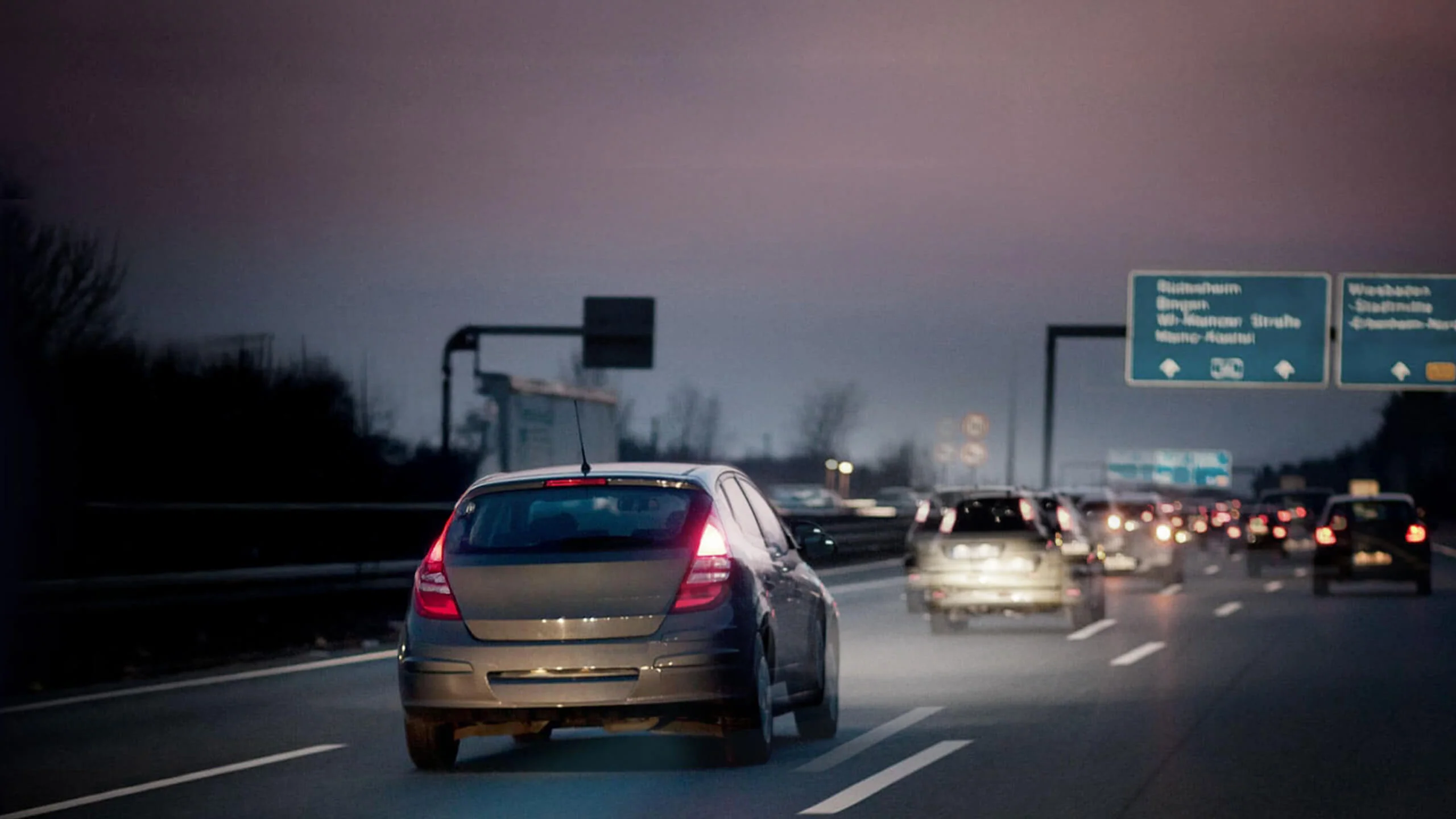
At highway speeds, repeated throttle changes can increase fuel use even when acceleration doesn’t feel aggressive. Maintaining a stable speed on level roads is often more efficient than constantly speeding up and slowing down.
Terrain changes the picture. Allowing modest speed variation on hills may sometimes require less aggressive throttle than forcing the vehicle to maintain an exact speed. Broader car efficiency guidance can be useful when combined with the recommendations in the vehicle owner’s manual.
Where Fuel-Saving Driving Goes Wrong
Some drivers focus so heavily on avoiding throttle that they create unsafe gaps or merge too slowly. Fuel economy should never come before predictable driving and appropriate traffic speed.
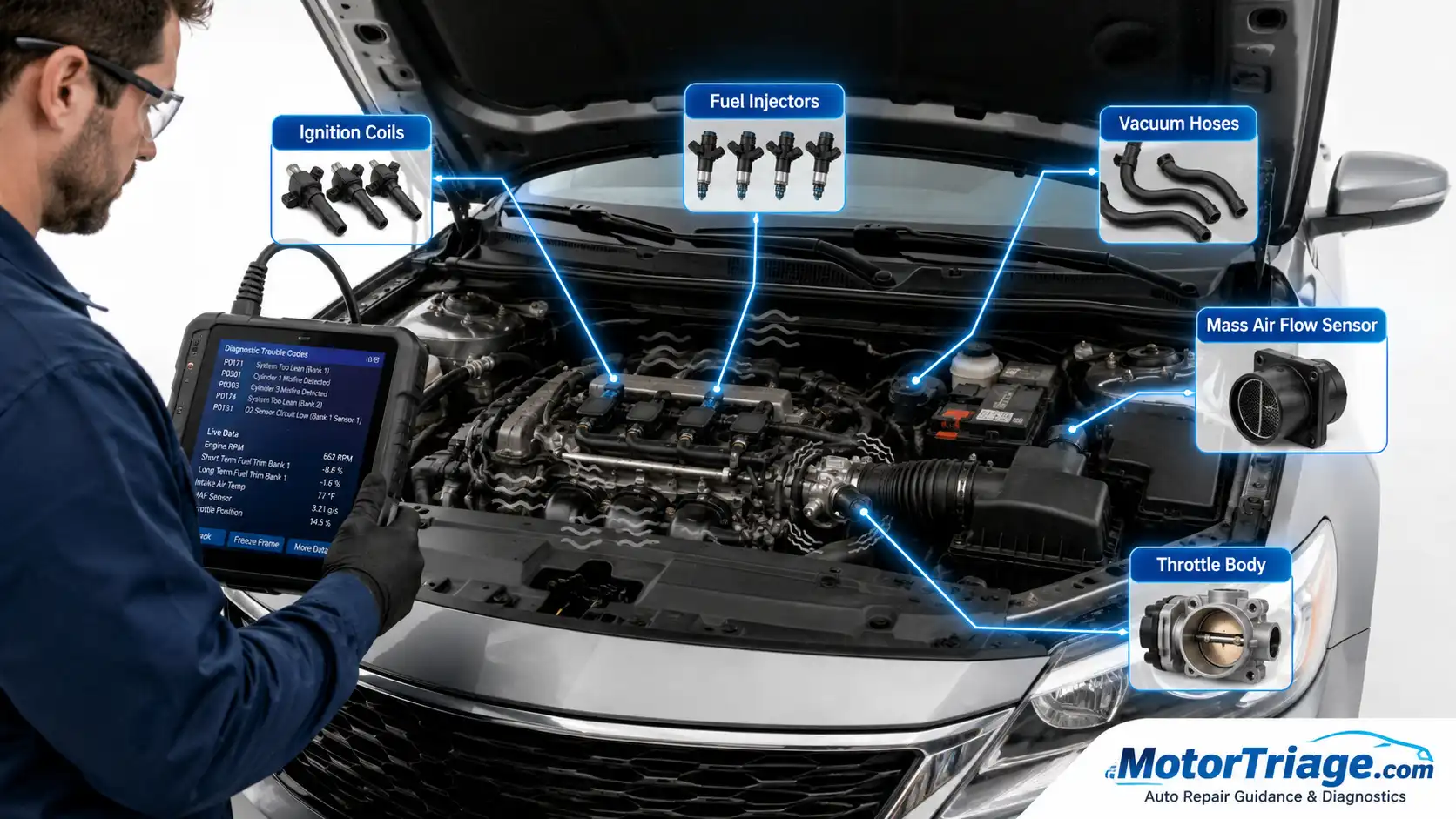
Another mistake is concentrating only on acceleration while ignoring tire pressure, maintenance, cargo weight, and excessive idling. Driving technique matters, but it cannot compensate for a vehicle with a mechanical fault or badly underinflated tires.
Frequently Asked Questions
Does accelerating quickly always waste fuel?
Strong acceleration generally increases short-term fuel demand, but conditions matter. The useful target is controlled acceleration that reaches an appropriate speed without unnecessary high-power bursts or prolonged inefficient driving.
Can cruise control improve gas mileage?
Cruise control can help maintain a steady speed on relatively flat roads. On steep or rolling terrain, however, it may apply substantial throttle to hold the selected speed, so results can vary.
Is coasting toward a red light more efficient?
Lifting off the accelerator early can reduce unnecessary fuel use and braking. Keep the vehicle in a normal driving gear rather than shifting into neutral, and always maintain full control of the car.
Make Smoothness Your Default
You don’t need unusually slow driving to reduce fuel consumption. Focus on progressive acceleration, steady speeds, early anticipation, and fewer unnecessary braking cycles. Once smoother throttle control becomes automatic, it can lower wasted energy while also making daily driving calmer and easier on several vehicle components.