












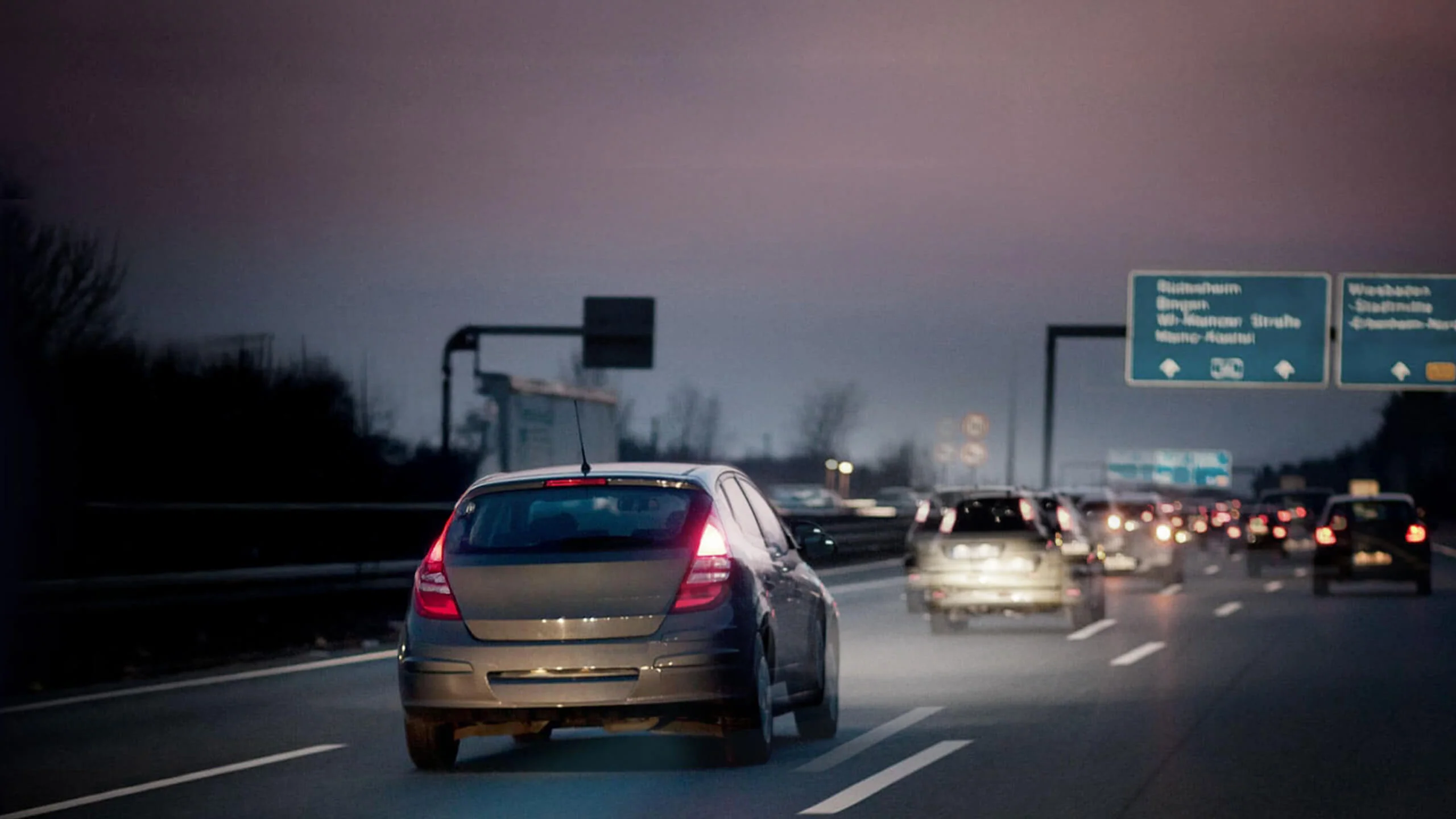
Dim Headlight Output – Improve Visibility With Better Connections
Headlights that seem weaker than they used to be don’t always need brighter bulbs. Dim headlight output often develops when electrical resistance reduces the voltage reaching the lamps, especially at aging connectors, grounds, sockets, or battery connections.
Finding where voltage is being lost can improve visibility without masking an underlying electrical fault.
Notice When the Lights Become Dim
The timing of the problem provides useful clues. Lights that are dim at idle but brighten when engine speed rises may point toward charging-system performance, while one dim lamp usually suggests a local bulb, socket, ground, or wiring problem.
Compare both sides on low and high beam. Uneven brightness narrows the search considerably because both headlights normally share some electrical supply components but also have individual connections.
Drivers reading about automotive electrical maintenance can use this left-versus-right comparison as a simple starting point before replacing components.
Inspect Bulbs, Sockets, and Connectors
Bulbs naturally lose performance over time, and some develop dark deposits inside the glass. Yet the bulb should not be blamed until its socket and connector have been inspected.
Heat damage, looseness, moisture, and corrosion at the terminals can increase resistance. A connector that has browned or softened from heat may require repair rather than cleaning alone.
Look for Heat Around the Socket
Excessive resistance produces heat. Melted plastic, discolored terminals, or a burned smell around a headlight connector can indicate a poor electrical contact carrying substantial current.
Ignoring that condition can result in repeated bulb or connector failures.
Test the Ground Side Carefully
A weak ground is a common reason a lamp receives less usable voltage than expected. The headlight may still illuminate, which can make the circuit appear functional even though resistance is reducing brightness.
Voltage-drop testing is more informative than simply checking continuity. With the headlight switched on, measuring across the ground path shows how much electrical pressure is being lost while current is actually flowing.
Broader car electrical diagnosis becomes easier when circuits are tested under operating load instead of only with the components switched off.
| Symptom | Likely Area to Check | Useful Test |
|---|---|---|
| One lamp dim | Local ground or connector | Voltage drop |
| Both lamps dim | Charging or common feed | System voltage |
| Flickering light | Loose connection | Wiggle/load test |
| Burned socket | High resistance | Connector inspection |
Check Charging Voltage and Battery Connections
Both headlights becoming dim together can indicate that system voltage is low. Battery terminals, alternator output, main grounds, and charging cables should be inspected before assuming two bulbs failed at the same time.
Turn on several electrical loads and observe whether headlight brightness changes significantly. A charging system that struggles under load can affect lighting along with blower speed, window operation, and other electrical functions.
Anyone studying vehicle lighting problems should keep the broader electrical system in mind because headlights don’t operate independently of charging voltage.
Don’t Assume Brighter Bulbs Solve Everything
Higher-output replacement bulbs can seem like an attractive shortcut. They won’t correct voltage loss caused by corroded connections, damaged wiring, or weak grounds.
Some high-performance bulbs may also have shorter service lives or create additional heat. Correct circuit condition should come first; bulb selection comes afterward.
Frequently Asked Questions
Why is only one headlight dim?
A single dim headlight often points toward that lamp’s bulb, connector, socket, wiring, or ground connection rather than a vehicle-wide charging problem.
Can a weak battery make headlights dim?
It can when system voltage is low, especially with the engine off. With the engine running, however, alternator performance and circuit resistance should also be checked.
Does cleaning headlight grounds improve brightness?
It can if corrosion or looseness is adding resistance. The improvement depends on whether the ground connection is actually responsible for the voltage loss.
Restore the Circuit Before Upgrading the Lights
Better visibility starts with getting proper electrical power to the existing headlamps. Check bulbs, connectors, grounds, battery connections, and charging output before spending money on upgrades.
Once the circuit operates correctly, you can judge whether the original bulb type provides enough light or whether a compatible replacement is worthwhile.