












Cash Flow Problems – Reduce Expenses Before Raising Rent
Rental cash flow problems don’t automatically mean the rent is too low. Raising rent may increase income, but unnecessary operating costs, inefficient management, recurring repairs, expensive financing, or long vacancies can be the deeper problem.
Before asking tenants to absorb higher costs, examine where the property’s money actually goes. Expense control can improve performance without making the rental less competitive.
Find Where the Cash Is Going
Review several months of property expenses rather than relying on memory. Separate predictable costs such as insurance from irregular costs such as repairs, turnover work, and emergency service calls.
Looking at real estate ownership topics can provide useful context, but decisions should come from the actual income and expense records for your property.
Separate Problems From Normal Costs
Some expenses are unavoidable. Property taxes, necessary repairs, appropriate insurance, and basic safety work shouldn’t be eliminated merely to improve a spreadsheet.
The better target is waste: duplicated services, unnecessary subscriptions, excessive contractor charges, inefficient utilities paid by the owner, or preventable repeat repairs.
Attack Recurring Expenses First
A one-time $500 saving helps once. A recurring $50 monthly reduction saves money every month the property remains under the same cost structure.
Review service agreements, management fees, landscaping, utilities, banking costs, maintenance contracts, and insurance options. General money management reading may reinforce the value of recurring savings, but rental decisions should still reflect the property’s individual requirements.
| Expense Area | Question to Ask | Possible Response |
|---|---|---|
| Maintenance | Are repairs repeating? | Fix underlying cause |
| Utilities | Is owner usage excessive? | Check efficiency |
| Services | Are contracts competitive? | Compare providers |
| Vacancy | Are turnovers too long? | Improve preparation |
Prevent Maintenance From Becoming a Cash Drain
Cheap repairs aren’t always inexpensive over time. Repeatedly patching an aging component can cost more than correcting the source of the failure.
Exterior maintenance deserves the same attention. Landscaping, drainage, fencing, and yard upkeep may look minor individually, yet property exterior planning is relevant because neglected outdoor problems can eventually become larger repair expenses.
Why Raising Rent Can Backfire
A higher rent can improve revenue only if tenants are willing and able to pay it and applicable lease terms and laws permit the increase. Pushing rent beyond what the local market supports can increase turnover or extend vacancy.
Don’t solve a $100 monthly expense problem by creating a much larger vacancy problem. Compare market conditions, tenant retention value, and the cost of replacing a tenant before changing pricing.
Account for Taxes Correctly
Some rental operating expenses may receive different tax treatment from improvements or acquisition-related costs. IRS Publication 527 discusses rental income, expenses, depreciation, and other rules affecting residential rental property.
That distinction matters because your bank-account cash flow and taxable rental result aren’t necessarily identical.
When to Bring in Professional Help
Seek professional input when persistent negative cash flow stems from financing problems, major deferred maintenance, complex tax issues, partnership disagreements, or questions about legally permitted rent changes.
A qualified property manager may help diagnose operating inefficiencies, while a tax professional can explain how specific expenses apply to your situation. Local legal advice may be appropriate before rent or lease changes.
Frequently Asked Questions
What rental property expenses should I reduce first?
Start with unnecessary recurring costs and preventable inefficiencies. Don’t cut safety work, essential maintenance, adequate insurance, or repairs needed to protect the property.
Is increasing rent the fastest way to fix negative cash flow?
Not necessarily. Higher rent can help, but vacancy, recurring repairs, management costs, financing, and inefficient operations may offer better places to investigate first.
How often should landlords review rental expenses?
Regular reviews are useful, especially after insurance renewals, tax changes, major repairs, tenant turnover, or significant changes in property income.
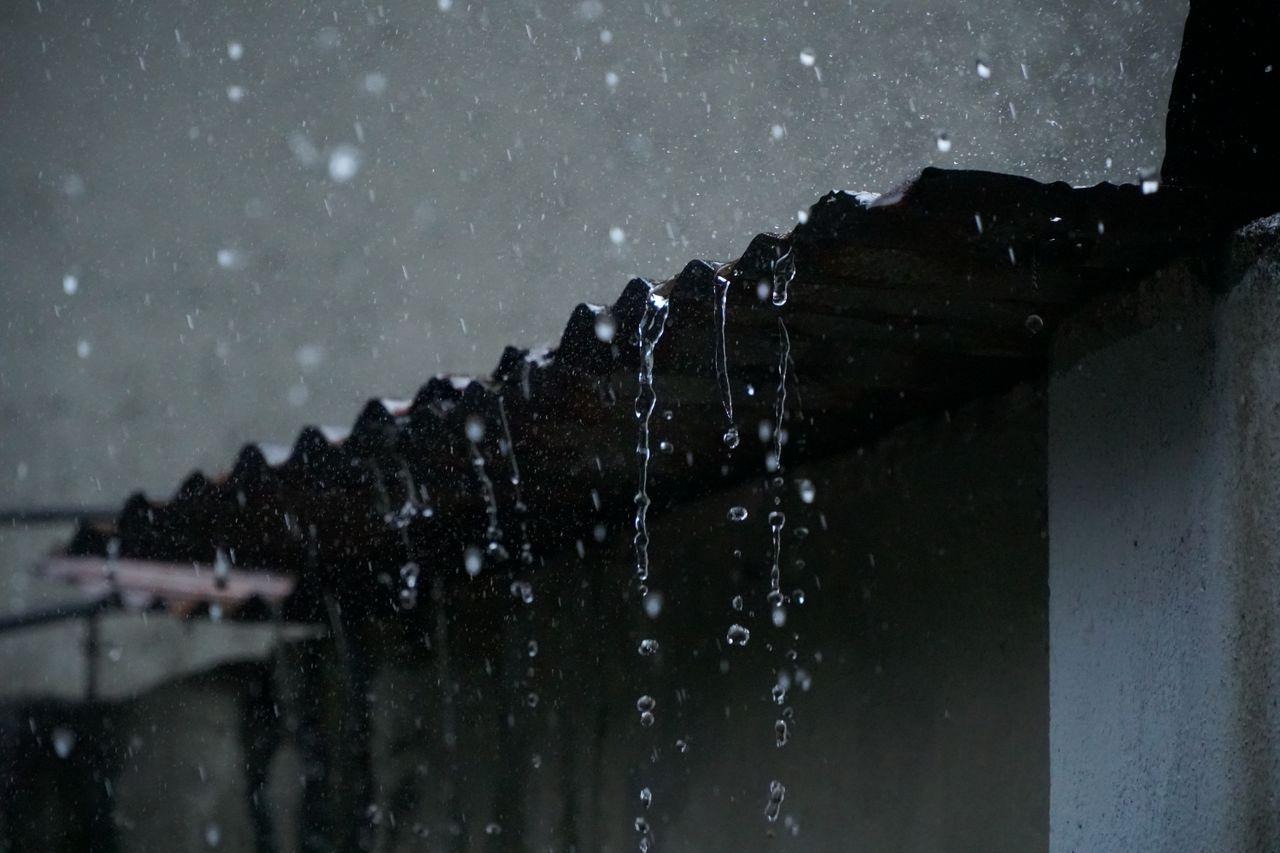
Fix the Leak Before Increasing the Price
Treat weak cash flow as a diagnosis problem rather than automatically reaching for higher rent. Identify recurring losses, correct avoidable expenses, and calculate whether the property works under realistic conditions. Pricing changes should come after you understand the underlying numbers.
This article provides general financial information and is not a substitute for personalized financial, tax, legal, or investment advice.