










Poor Ball Control – Build Touch With Daily Drills
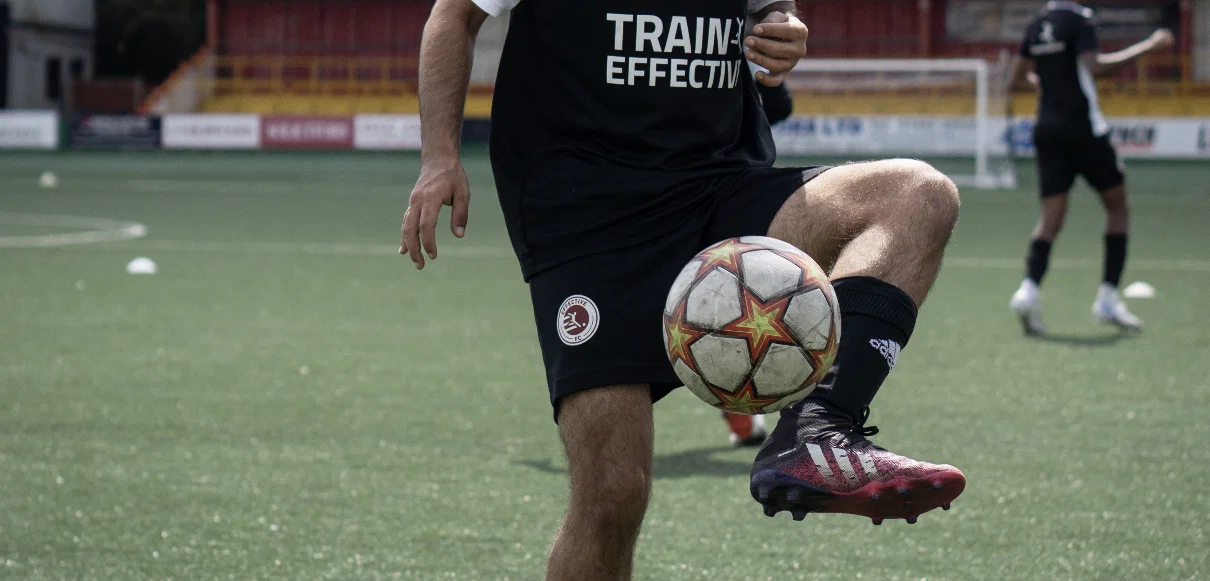
Good ball control gives a player extra time. Poor ball control does the opposite, forcing hurried decisions because the first touch sends the ball too far away. Daily drills can improve touch by teaching players to cushion different passes, keep the ball within playing distance, and prepare the next action before pressure arrives.
Understand What a Useful First Touch Does
The best first touch doesn’t merely stop the ball. It places the ball where the next pass, dribble, or shot can happen quickly.
Keep the body relaxed and avoid stabbing at the ball. Players browsing team development content should remember that controlling distance is usually more valuable than trying to perform flashy touches.
Cushion Instead of Fighting the Ball
When receiving a firm pass, slightly withdraw the controlling foot as contact happens. That softens the impact and reduces the chance of the ball bouncing several feet away.
Practice with the inside of both feet before working on the outside, sole, thigh, and chest.
Build Daily Touches With Simple Drills
A wall provides one of the easiest ways to practice without a partner. Pass against it, receive the return, move the ball sideways with the first touch, then play the next pass.
Ideas from football practice discussions can add variety, yet players should keep one objective per drill so they know whether their touch is actually improving.
| Control Drill | What to Practice | Progression |
|---|---|---|
| Wall receive | Soft first touch | Increase pass speed |
| Cone box | Keep ball close | Reduce box size |
| Aerial control | Cushion dropping ball | Alternate surfaces |
| Turn and receive | Touch into space | Add passive pressure |
Learn to Control the Ball Into Space
Stopping the ball directly beneath the body can slow the next action. Instead, guide the first touch slightly away from pressure and toward the intended direction of play.
Before receiving, look over the shoulder. Players studying practical match tactics can connect that scanning habit with better control because the first touch becomes a decision rather than a reaction.
Use Both Sides of the Body
Practice receiving from the left and right. A player who always opens toward one side becomes predictable and may struggle when defenders block the preferred direction.
Alternate feet throughout each drill rather than completing every strong-foot repetition first.
Add Pressure After Basic Control Improves
Once the ball consistently stays close, reduce the time available. A training partner can approach slowly after making the pass, forcing the receiver to protect or redirect the ball.
Small spaces also create useful pressure. Try controlling inside a marked square and keeping every first touch within its boundaries.
Why More Touches Aren’t Always Better
Players often hear that thousands of touches improve technique, but careless touches can reinforce poor habits. The quality of contact matters. If the ball repeatedly escapes the playing area, slow down and correct the movement before continuing.
Another mistake is practicing only ground passes. Matches include bouncing, spinning, and aerial balls. A broader control routine prepares the body for those less predictable situations.
Frequently Asked Questions
How can I improve ball control at home?
Use a safe wall or small open space for gentle passing, sole rolls, inside touches, and controlled turns. Focus on keeping the ball close instead of moving quickly.
Why does my first touch get worse during games?
Pressure changes posture and decision speed. Players may tense their legs or watch defenders instead of the incoming ball. Pressure-based drills can gradually make controlled touches more natural.
Should beginners practice juggling?
Juggling can improve coordination and comfort with different contact surfaces. It shouldn’t replace receiving and passing drills because match control usually involves directing the ball toward the next action.
Turn the First Touch Into an Advantage
Better control isn’t about making the ball stop perfectly every time. It’s about placing it somewhere useful. Practice soft contact, receive from multiple angles, scan before the ball arrives, and gradually add pressure. When the first touch prepares the second action, the game starts to feel less rushed.