






Stiff Corporate Clothing: Improve Comfort With Softer Tailoring
Corporate clothing can look polished while still feeling restrictive through the shoulders, waist, hips, or arms. The solution isn’t automatically switching to casual clothes. Softer tailoring uses flexible fabrics, less rigid construction, and better proportions to preserve a professional silhouette while allowing more natural movement throughout the workday.
Understand Where the Restriction Comes From
Discomfort often starts with construction. Heavy shoulder padding, thick lining, tight armholes, rigid waistbands, and fabrics with little give can make clothing feel restrictive even when the labeled size seems correct.
Sit, reach forward, raise your arms, and walk before deciding whether a garment fits properly. Office clothing must work while you’re moving, not merely while standing in front of a mirror.
Readers browsing personal style features may notice that polished clothing can take many forms. In practical workwear, comfort usually comes from choosing structure only where it contributes something useful.
Look for Softer Jacket Construction
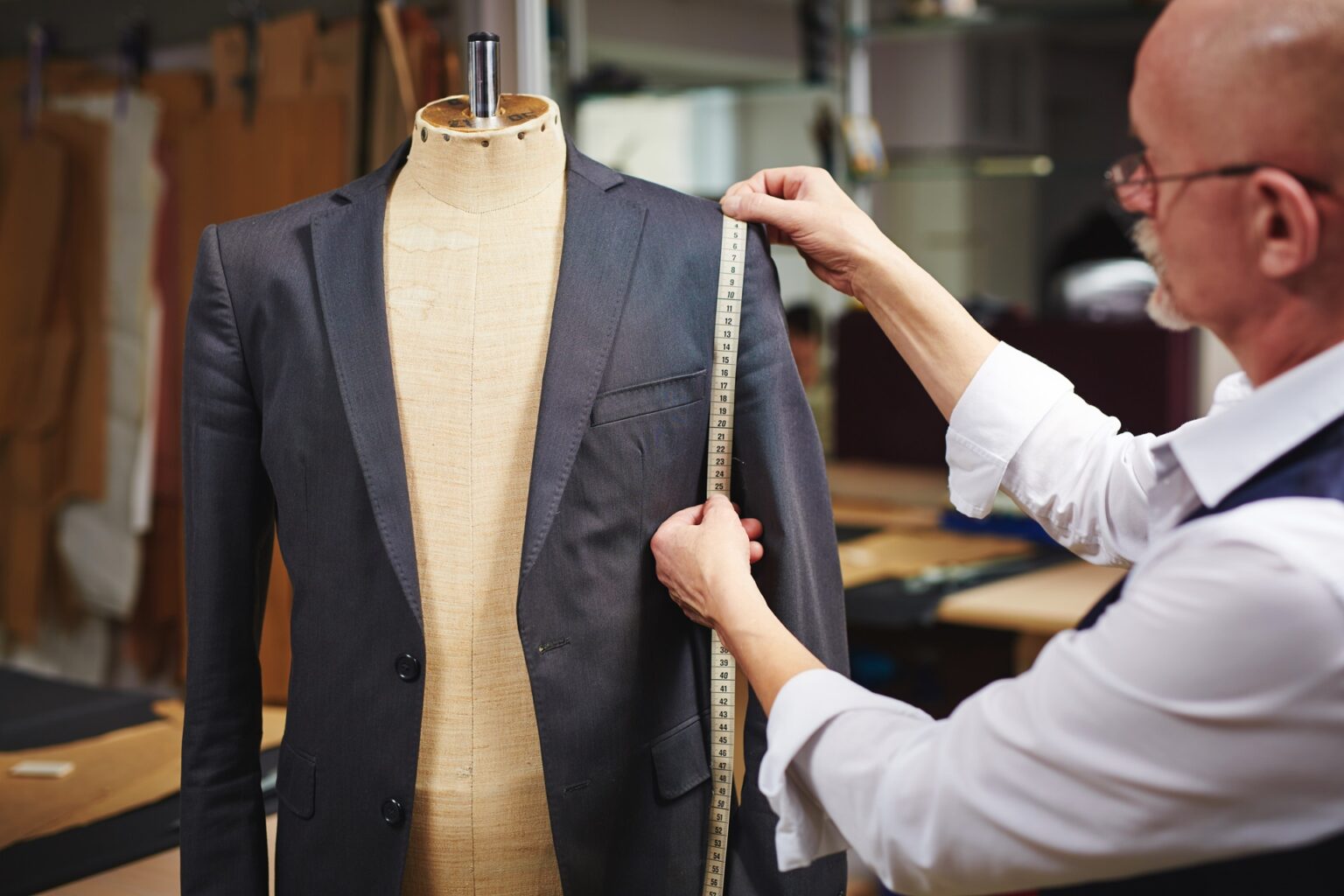
A blazer doesn’t need a heavily built shoulder and stiff chest to look professional. Lightly structured jackets can still create a defined outline while moving more naturally with the body.
Unlined and partially lined styles may feel lighter, especially during warmer months. Knit blazers can also work in workplaces where the dress code permits slightly more relaxed tailoring.
| Rigid Feature | Softer Alternative | Benefit |
|---|---|---|
| Heavy padding | Natural shoulder | Easier movement |
| Thick lining | Partial lining | Less bulk |
| Hard waistband | Flexible construction | Better sitting comfort |
| Dense fabric | Softer weave | Improved drape |
Choose Fabrics That Move With You
Fabric has an enormous effect on how corporate clothing feels. A garment can technically fit but still resist every movement if the material is too rigid.
Soft wool blends, quality knits, fluid crepe, and fabrics containing modest stretch can make tailored clothing easier to wear. Looking through workwear styling ideas can also illustrate how softer fabrics maintain a neat appearance without producing the rigid look associated with older corporate uniforms.
Drape matters as much as stretch. A fabric that falls smoothly around the body can look sophisticated without squeezing it.
Adjust the Silhouette Before Increasing the Size
Buying a larger size doesn’t always fix stiffness. The shoulders may become too wide while the waist still feels wrong, or trousers may become baggy without solving pressure through the hips.
Instead, look for a different cut. Straight trousers, relaxed tapered pants, jackets with slightly easier armholes, and shirts with room through the back may fit better without appearing oversized.
General fashion reference guides can offer examples of different silhouettes, but your own movement test remains more useful than copying a specific shape. Bodies and workplace requirements differ.
Where Softer Tailoring Can Go Wrong
Comfort-focused clothing can become too relaxed if every structured element disappears. Oversized knit jackets, loose trousers, soft shirts, and casual footwear worn together may read more like weekend clothing than corporate dress.
Keep at least one clear element of structure. That might be a sharp trouser crease, defined jacket, leather shoe, neat collar, or polished bag. Softer tailoring works because comfort and structure coexist.
Frequently Asked Questions
Can stretch fabric still look formal?
Yes. Small amounts of stretch can improve movement without noticeably changing the appearance of a well-cut garment. Fabric quality and construction usually matter more than whether stretch fibers are present.
Are unlined blazers professional enough for offices?
They can be. Many unlined jackets maintain a clean exterior shape while reducing weight and stiffness. More traditional workplaces may still favor stronger construction for major meetings or formal occasions.
How should comfortable work trousers fit when sitting?
They should allow you to sit without strong pressure at the waist, hips, or upper thighs. The waistband should remain secure, while the fabric should not pull sharply across the front or seat.
Make Structure Work for Your Body
Stiff corporate clothing shouldn’t be accepted simply because professional clothing is expected to look formal. Better fabric, lighter construction, and a more suitable cut can preserve authority without unnecessary restriction. Choose garments by how they perform through a complete workday, not by how formal they appear on a hanger.
═══