











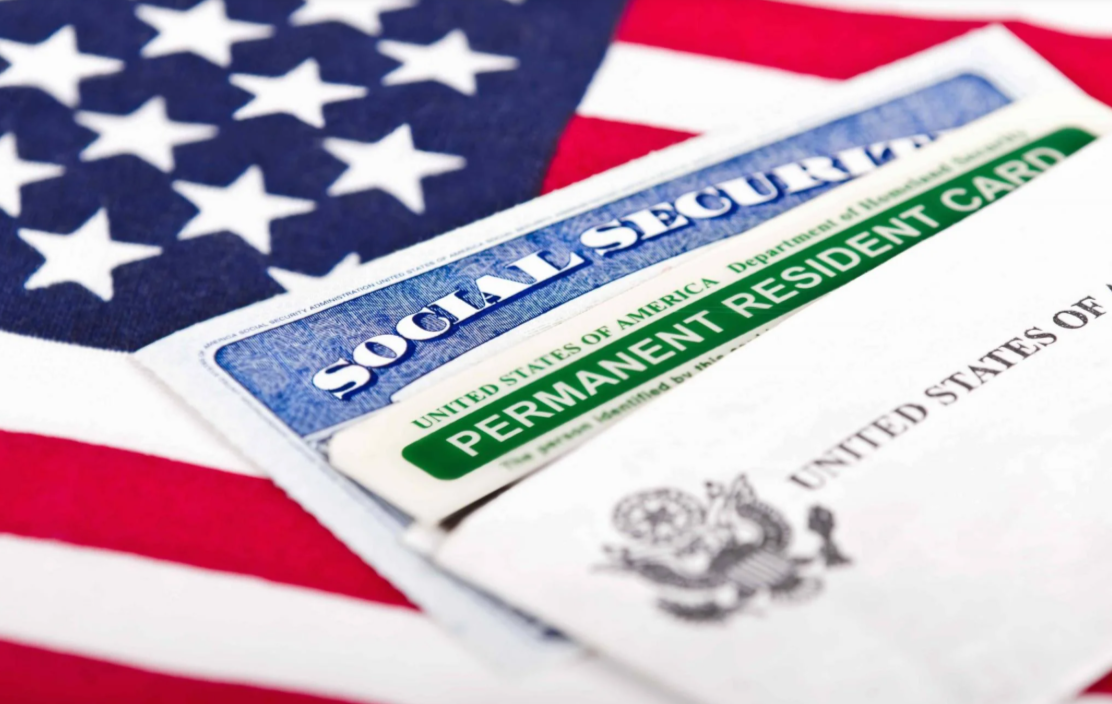

Green Card Delays: Track Cases and Required Evidence
Green card delays can feel unpredictable, but repeatedly checking the same status screen rarely solves the underlying issue. A better approach is to maintain a clear record of notices, evidence requests, filing dates, and address changes.
Processing time alone does not reveal whether a case is simply pending or whether USCIS is waiting for something from the applicant.
Know What Stage the Case Has Reached
Start by identifying the form involved and the most recent official action. A family-based adjustment case, employment-based filing, replacement card request, or other permanent-residence matter may move through different steps.
USCIS provides an official Case Status Online service for tracking applications, petitions, and requests using the receipt number. It also offers processing-time and case-inquiry tools for cases that may require follow-up.
Keep each status update with the corresponding notice rather than relying on memory.
Treat Every Notice as an Action Document
A notice may simply confirm receipt, but it can also request evidence, schedule an appointment, transfer a case, or communicate a decision. Read the entire document, including response instructions and any stated deadline.
Someone comparing experiences through general legal websites may see cases that appear similar but move at different speeds. Those comparisons cannot establish what USCIS requires in a particular pending matter.
Maintain a Case Timeline
A one-page timeline can prevent confusion when a case has been pending for months. Record filing dates, receipt notices, biometrics appointments, evidence submissions, interviews, transfers, and other significant events.
| Record | What to Save | Why It Helps |
|---|---|---|
| Filing | Complete submitted copy | Shows original information |
| USCIS notice | Full notice and envelope | Tracks instructions |
| Evidence response | Exact submitted packet | Proves what was sent |
| Delivery record | Tracking confirmation | Documents delivery |
Respond Carefully to Evidence Requests
A request for evidence should be answered according to its actual wording. Sending unrelated paperwork can make a response harder to review and may fail to address what USCIS requested.
Keep a complete duplicate of everything submitted. Organizing the response by the requested issues can also make later review easier if questions arise.
Online material such as public court-themed reading should not be treated as evidence that another applicant’s response strategy will work in a different immigration case.
Keep Contact Information Current
A case can become more difficult when important mail goes to an old address. Applicants should follow the appropriate USCIS procedures for reporting address changes and should not assume that changing an address with another government agency automatically updates an immigration case.
USCIS states that keeping the mailing address current helps applicants receive correspondence and benefits without avoidable delays or problems.
People reviewing nonofficial web material should still use USCIS instructions when deciding how to update or inquire about a pending case.
Mistakes That Can Make a Delay Harder to Manage
Constantly sending duplicate documents without being asked can create confusion rather than speed. Another mistake is assuming that silence means denial, approval, or a lost application.
Processing patterns vary by form, office, workload, security checks, evidence needs, and other case-specific factors. A delay by itself does not establish why a case is pending.
Also avoid ignoring a notice because the online status appears unchanged. The written notice may contain the instructions that control the applicant’s next step.
When Professional Help Makes Sense
Consider qualified immigration assistance when a deadline has been missed, an evidence request raises complex eligibility questions, USCIS alleges conflicting information, the case involves prior immigration violations, or a denial or removal issue may be developing.
Legal help may also be useful when it is unclear whether a pending case has moved beyond ordinary processing. An attorney or accredited representative can evaluate the actual record instead of guessing from processing times alone.
Frequently Asked Questions
Does a long green card delay mean the case will be denied?
No. A long wait alone does not establish the outcome. The reason may relate to processing workload, additional review, evidence, scheduling, or another case-specific issue.
Should I keep copies of evidence already sent to USCIS?
Yes. Keep the complete version, including cover letters, exhibits, translations, delivery records, and USCIS notices. Those copies can become important if USCIS later asks about a prior submission.
What should I do if my case appears outside normal processing?
Check the current USCIS processing information and available inquiry options for your form and office. If the case presents legal complications, consider qualified immigration assistance before submitting repeated or inconsistent requests.
Keep the Record Strong While You Wait
A pending green card case is easier to manage when every filing, notice, and response can be reconstructed quickly. Good records will not eliminate government processing time, but they can prevent missed instructions from adding another problem.
Track the official case, preserve evidence, update contact information when required, and respond carefully when USCIS asks for action. Those habits provide a far stronger strategy than guessing why a case has not moved.
This article is for general informational purposes and is not a substitute for legal advice from a qualified immigration attorney or accredited representative.