








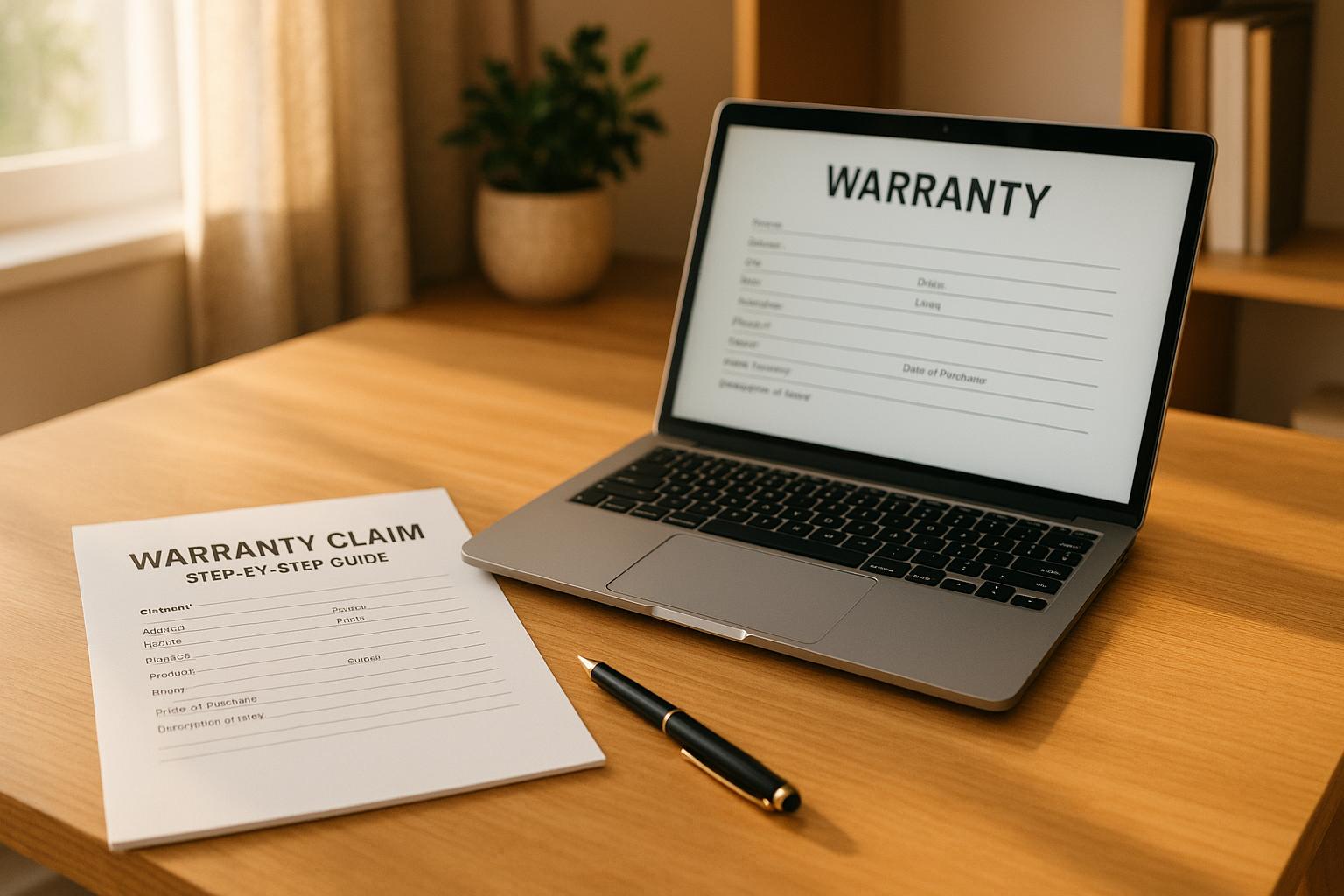



Warranty Claim Issues: Review Coverage Before Demanding Repairs
A product failure doesn’t automatically mean every repair must be free. Warranty coverage depends on the written terms, what failed, when the problem occurred, and whether the claim meets stated conditions.
Before demanding repairs, locate the warranty, receipt, model or serial information, service history, and any earlier correspondence.
Read What the Warranty Actually Covers
Written warranties can vary widely. Some cover parts and labor, while others limit coverage to particular components, periods, or types of defects.
The FTC advises consumers to save both the warranty and purchase receipt. The receipt can help establish when the product was purchased and may be important when making a claim.
FTC consumer warranty guidance
Pay Attention to Exclusions
Look for exclusions involving misuse, accidental damage, unauthorized modification, maintenance requirements, shipping costs, or particular components.
Store claim documents separately from unrelated digital notice material so the evidence relevant to your warranty remains easy to locate.
Identify Who Must Handle the Claim
The retailer isn’t always responsible for warranty service. Depending on the agreement, the manufacturer, distributor, service administrator, or another company may manage repairs.
Check the claims procedure before shipping a product or authorizing work. The warranty may specify where the item must go, what documentation is needed, and whether advance authorization is required.
General public-information reading should not replace the actual warranty terms when deciding who must handle your claim.
Document the Failure Before Repair Begins
Describe what the product does, when the problem started, and whether the failure is consistent or intermittent. Photographs, videos, error messages, inspection notes, and earlier repair records can help establish the condition.
| Document | Useful Detail | Purpose |
|---|---|---|
| Warranty | Coverage terms | Defines promised protection |
| Receipt | Purchase date | Supports eligibility |
| Photos/video | Visible failure | Records condition |
| Repair record | Previous work | Shows service history |
Avoid dismantling or altering the product merely to prove the problem if doing so could complicate the claim or create a safety risk.
Ask for the Remedy the Warranty Provides
If the terms provide repair first, immediately demanding a refund may create unnecessary conflict. Explain the defect and ask the company to apply the remedy stated in the warranty.
Keep the claim folder focused rather than mixing it with unrelated household-topic reading. If the company denies coverage, ask for the reason in writing and which warranty provision supports that decision.
A written response provides a clearer record if the disagreement later needs escalation.
Where Warranty Claims Commonly Go Wrong
One frequent mistake is relying on what a salesperson said without checking whether the promise appears in writing. The FTC recommends getting spoken warranty promises documented because proving them later may be difficult.
Consumers also sometimes discard receipts, authorize repairs before checking the procedure, or assume a service contract and manufacturer warranty provide identical protection.
They may not.
When a Warranty Dispute Needs More Help
Consider further assistance if a company repeatedly refuses to explain its denial, significant repair costs are involved, written promises appear to be ignored, or the dispute may involve consumer-protection law.
Depending on the facts, options can include a formal company complaint, dispute-resolution procedure, state consumer agency, attorney general, or qualified consumer-law attorney.
Preserve the product, documents, and communications while the issue remains unresolved.
Frequently Asked Questions
Does a warranty guarantee a free replacement?
Not necessarily. A warranty may provide repair, replacement, a limited remedy, or another form of coverage. Read the remedy provisions before assuming you can choose the outcome.
Do I need a receipt for warranty service?
Many claims are easier with proof of purchase because it establishes where and when the item was bought. Other records may sometimes be accepted depending on the company’s procedures.
Can a company deny a warranty claim after previous repairs?
Possibly, depending on the warranty language, type of repair, cause of the new problem, and applicable law. Ask for a written explanation connecting the denial to the warranty terms.
Build the Claim Around the Written Promise
Warranty disputes become easier to evaluate when the paperwork is organized first. Read the coverage, identify the proper claims channel, document the failure, and request the remedy the agreement actually provides.
If a costly dispute continues despite clear documentation, consider appropriate consumer-protection or legal assistance before making assumptions about your rights.
This article provides general consumer information and is not a substitute for legal advice.