









Repetitive Wardrobe Choices: Create More Looks With Basics
Wearing the same few combinations can make a perfectly functional wardrobe feel limited. Yet repetition often happens because certain pairings are easy, not because there are truly no alternatives. By treating basic clothing as interchangeable building blocks, you can create more outfits without buying a large collection of trend-driven pieces.
Separate Your Clothes From Their Usual Pairings
Many people mentally connect one shirt with one pair of trousers or one jacket with a particular dress. That habit quietly reduces the number of outfits available.
Break those pairings deliberately. Lay out several tops, bottoms, and outer layers, then test combinations you normally overlook.
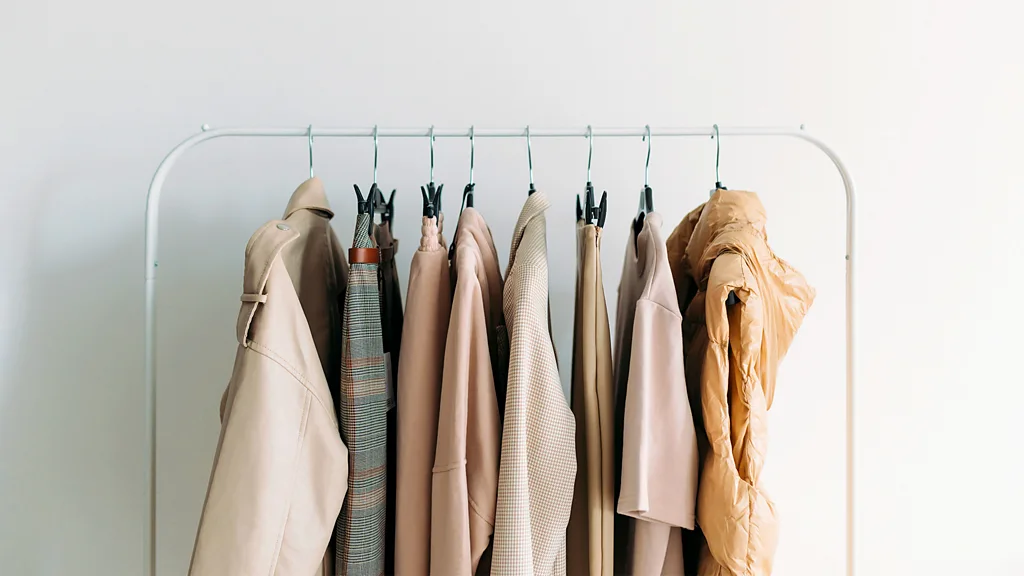
A collection of practical outfit combinations can provide visual prompts for seeing common wardrobe basics in less predictable ways.
Try the Three-Version Test
Take one frequently worn item and create three different looks around it. A white button-down might work with jeans and sneakers, tailored trousers and loafers, or open over a tank with a long skirt.
If one piece supports several moods, it becomes far more useful.
Build Around Flexible Foundation Pieces
Good basics don’t have to be dull. Their value comes from being easy to combine with different shapes, textures, and levels of formality.
Straight jeans, plain tees, neutral trousers, uncomplicated skirts, button-down shirts, and simple knitwear often provide useful foundations.
Studying closet combination strategies may help reveal how one foundation item can support multiple layers and accessories instead of being locked into one outfit.
| Basic Piece | Casual Direction | Polished Direction |
|---|---|---|
| White shirt | Jeans and sneakers | Trousers and loafers |
| Black trousers | Tee and flats | Blouse and blazer |
| Denim jacket | Dress and sneakers | Skirt and ankle boots |
| Plain knit | Relaxed jeans | Tailored pants |
Change the Mood With Shoes and Outer Layers
Footwear can alter an outfit more dramatically than people expect. Straight trousers with sneakers feel relaxed, while the same trousers with loafers or simple heels can appear more refined.
Outer layers have a similar effect. A cardigan softens an outfit, a denim jacket makes it casual, and a structured blazer gives basic pieces clearer lines.
Resources showing versatile wardrobe styling can spark ideas for making these finishing pieces do more work.
Why Buying More Doesn’t Always Solve Repetition
A larger wardrobe can still feel repetitive if every new item resembles something you already own. Five nearly identical tops may increase clothing volume without creating meaningful new combinations.
Another common problem is purchasing statement pieces that work with almost nothing else. Before buying, ask whether the item can realistically pair with at least a few things you already wear. Compatibility often matters more than novelty.
Create a Weekly Rotation Instead of a Uniform
You don’t need dozens of outfits. A small rotation of dependable formulas can prevent daily choices from becoming identical.
For example, designate different shape combinations across the week: fitted top with wide-leg bottoms, relaxed shirt with straight jeans, knit with a skirt, then a layered dress look. Repetition becomes less noticeable because the silhouette keeps changing.
Frequently Asked Questions
How many basics do I need for a versatile wardrobe?
There is no fixed number. A smaller collection can work well when most pieces coordinate across several outfits and suit your actual routine.
How do I stop wearing the same outfit repeatedly?
Change one component at a time. Keep the trousers but switch the top, layer, shoes, or accessories until the familiar combination takes on a different character.
Should all wardrobe basics be neutral colors?
No. A basic can be any color you regularly wear and can combine easily with other pieces. Navy, olive, burgundy, or muted blue may function as practical basics too.
Make Every Basic Earn Its Place
Wardrobe variety comes from combinations, not simply clothing volume. Practice separating familiar pieces from their usual partners and look for different ways to shift silhouette, footwear, and layers. Once your basics connect with several other items, a small closet can produce far more outfits than its size suggests.