











Dark Living Rooms – Brighten Spaces Without Major Renovation
A living room can feel dim even when it has windows and several lamps. Dark finishes, blocked daylight, weak light placement, and heavy fabrics often matter more than the room’s actual size. Brightening dark living rooms usually requires several small adjustments rather than an expensive renovation.
The fastest improvements come from helping existing light travel farther through the space.
Find What Is Absorbing the Light
Dark floors, deep wall colors, oversized furniture, and thick curtains can absorb light before it spreads across the room. You don’t need to replace everything. Identify the two or three surfaces creating the strongest visual weight.
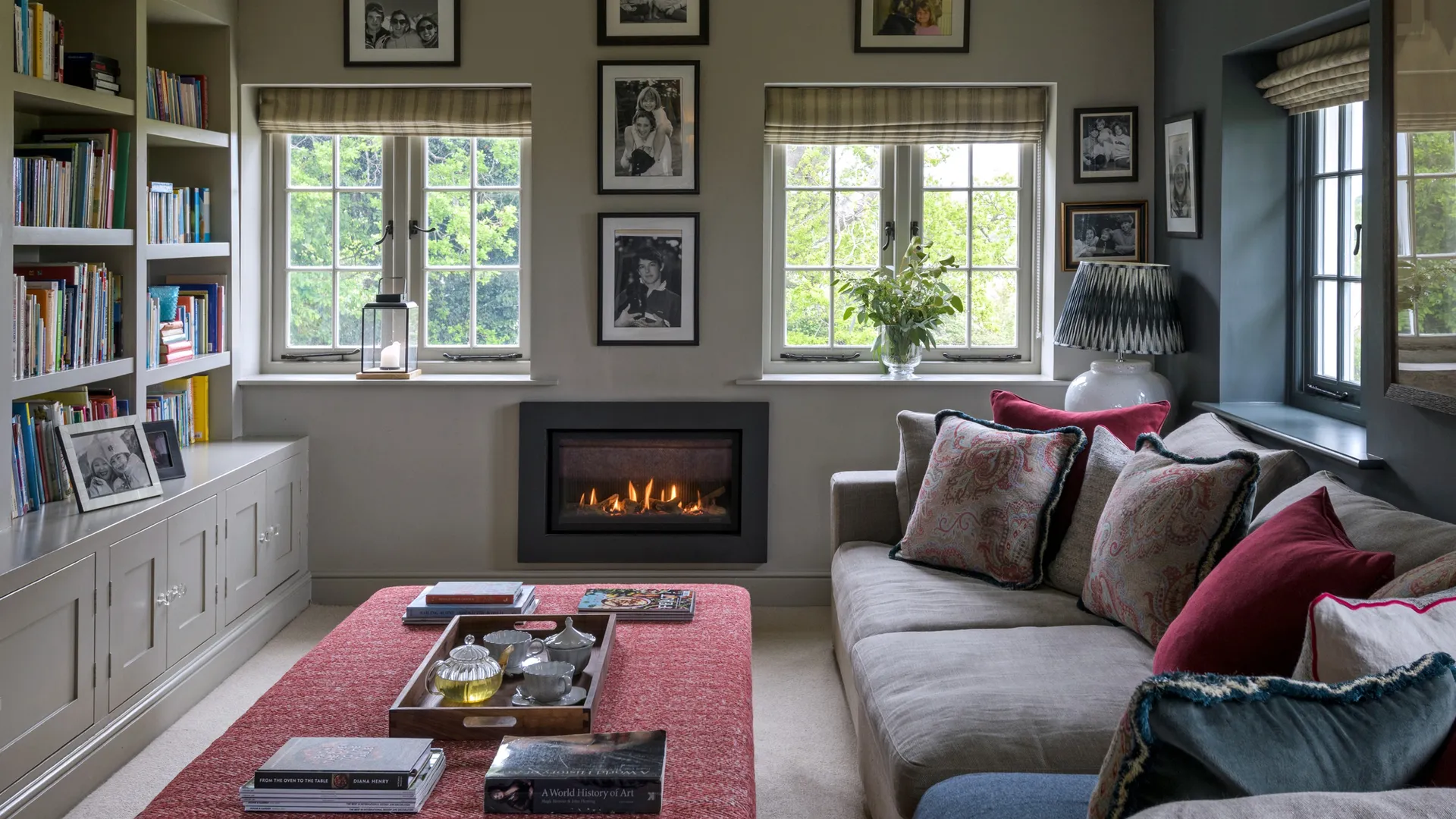
A dark sofa, for example, can remain while lighter cushions, a pale rug, and brighter surroundings reduce its overall impact.
Open Up the Window Area
Heavy curtains mounted directly around a window can make the opening look smaller. Moving curtain panels wider allows more glass to remain exposed during the day.
Sheer layers can provide softness while allowing daylight to enter.
Layer Several Types of Lighting
One ceiling fixture rarely produces a comfortable bright room. Better results come from combining overhead lighting with floor lamps, table lamps, and task lighting.
Studying different room lighting approaches can help show how light placed at several heights prevents gloomy corners.
| Problem Area | Useful Adjustment | Visual Effect |
|---|---|---|
| Dark corner | Floor lamp | Adds vertical light |
| Deep seating zone | Table lamp | Creates warmth |
| Low ceiling | Upward light | Feels more open |
| Dim wall | Accent light | Reduces shadows |
Use Reflective Surfaces Carefully
Mirrors are useful, but placement matters more than size. A mirror positioned where it reflects daylight or a bright part of the room can spread light visually.
Glossy ceramics, glass tables, metallic details, and satin finishes can produce a similar effect in smaller amounts. For a more relaxed result, combine reflective elements with ideas drawn from cozy interior styling rather than turning every surface shiny.
Choose Light Colors With Warmth
Pure white isn’t the only option for a dark room. Cream, warm beige, pale taupe, soft stone, and muted natural shades can brighten surfaces without making the space feel cold.
The surrounding light determines how these colors appear, so test samples in both daytime and evening conditions.
Reduce Visual Weight Around the Room
Furniture can make a room feel darker even when its color isn’t particularly deep. Large solid bases and bulky silhouettes block sightlines and cast heavier shadows.
Pieces with visible legs create more floor exposure. Natural materials associated with outdoor living spaces can also introduce lighter wood tones, woven textures, and relaxed colors that soften a dark interior.
Don’t Try to Solve Everything With White Paint
Painting every surface white sounds like the obvious solution, but it can disappoint. In a room with limited daylight, some whites appear gray or flat.
Another mistake is installing brighter bulbs without considering glare. A harsh central light may make the room technically brighter while making it less comfortable. Balanced light sources usually work better.
Frequently Asked Questions
What color makes a dark living room look brighter?
Warm whites, creams, pale beige, light greige, and soft natural colors can reflect more available light. The best choice depends on the room’s daylight and artificial lighting.
Can mirrors brighten a living room?
Mirrors can make a room appear brighter when they reflect a window, lamp, or another well-lit surface. Poorly positioned mirrors may reflect a dark wall and offer little improvement.
Do dark sofas make rooms look smaller?
They can increase visual weight, especially in a small room. A lighter rug, cushions, nearby wall colors, and open-legged furniture can balance a dark sofa without replacing it.
Brighten the Room in Layers
A brighter living room rarely depends on one dramatic change. Clear the windows, spread lighting across several heights, introduce lighter surfaces, and reduce bulky visual barriers.
Keep the deeper colors you enjoy. The aim is not to erase contrast but to give light enough reflective surfaces and open pathways to move through the room.