










Retail Space Challenges – Match Locations With Customer Traffic
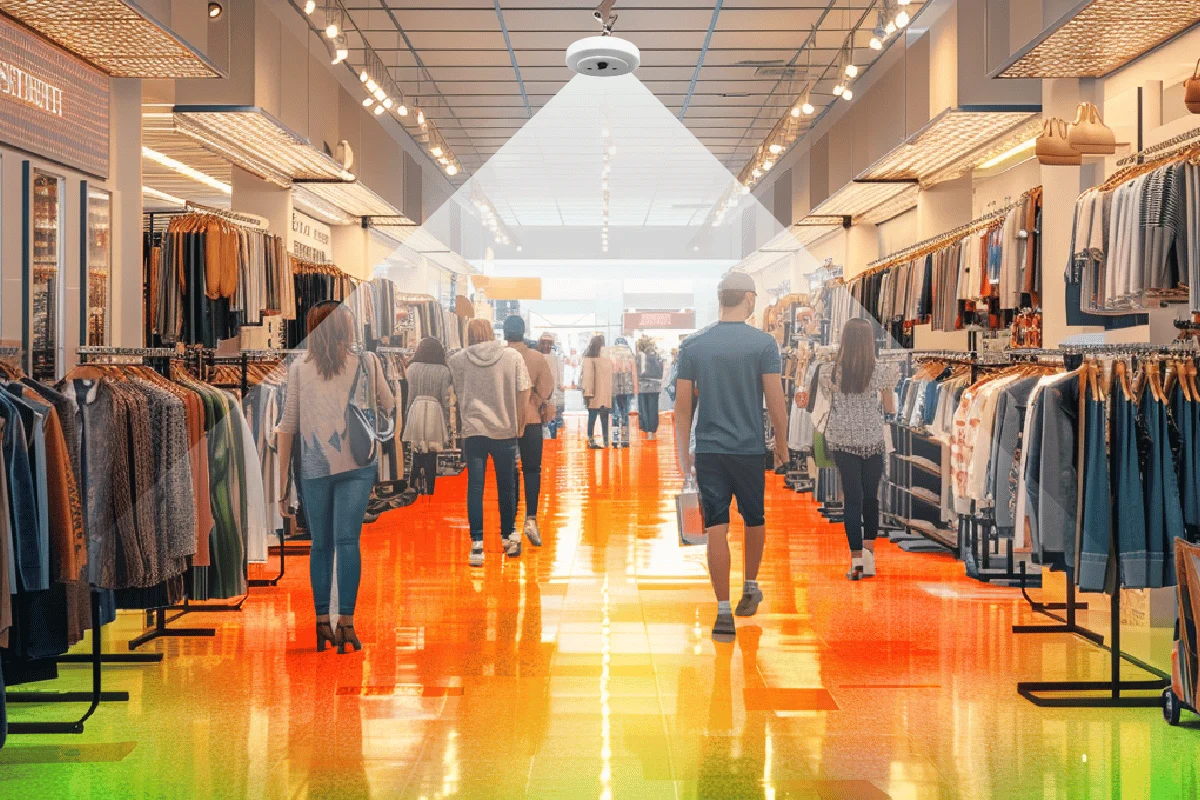
A polished storefront can still struggle when the surrounding customer traffic doesn’t match the business. Retail space challenges often begin with location decisions based on visibility or rent rather than who actually passes the site, why they are there, and whether those people are likely to buy.
Study Traffic Quality, Not Only Volume
A busy road may produce thousands of passing vehicles without generating meaningful store visits. Retailers need traffic that fits their customer profile and shopping pattern.
A convenience business may value frequent commuter movement. A destination retailer can sometimes succeed with lower passing traffic because customers intentionally travel there.
Observe Different Times of Day
Traffic can change dramatically between weekday mornings, lunch periods, evenings, and weekends. Visit a potential location several times instead of relying on one inspection.
Broader workplace property ideas can provide useful context when considering how surrounding offices, residential areas, and mixed-use properties influence local movement.
Understand Where Customers Are Coming From
Retailers should examine nearby neighborhoods, workplaces, transit stops, schools, entertainment areas, and competing businesses. Each source creates a different customer flow.
The relationship between businesses matters too. A coffee shop near offices may benefit from morning activity, while a family restaurant could depend more heavily on evening residential traffic.
Exploring wider retail property context can help frame location questions, although direct observation and local market data remain essential.
| Traffic Factor | What to Check | Possible Effect |
|---|---|---|
| Foot traffic | Pedestrian counts | Walk-in potential |
| Vehicle access | Entrances and turns | Convenience |
| Parking | Capacity and turnover | Visit duration |
| Nearby uses | Offices, homes, stores | Customer mix |
Check Access Before Falling for Visibility
A site can be highly visible yet surprisingly difficult to enter. Median restrictions, one-way streets, poor turning access, confusing entrances, or limited parking can reduce the value of a prominent frontage.
Customers generally prefer convenient routines. If reaching a store requires an awkward detour, many casual visitors may choose an easier alternative.
General retail space observations can supplement the evaluation, but walking and driving the approach yourself can reveal problems that maps cannot show clearly.
Compare the Location With the Business Model
A retailer with high-margin destination products can often tolerate higher customer-acquisition effort than a business built around frequent small purchases.
Lease affordability should therefore be considered together with expected transaction volume. Cheap space with weak demand can become more expensive than premium space that consistently produces qualified customers.
Test Assumptions Before Signing
Temporary pop-ups, local events, customer surveys, traffic counting, and competitor observation can provide useful evidence. Even informal testing is better than relying solely on enthusiasm for the building.
The aim is to determine whether actual customer behavior supports the location.
Why Busy Locations Still Fail
Retailers sometimes confuse activity with demand. Crowded sidewalks may consist mostly of commuters rushing to transit, tourists seeking different products, or employees who leave the area after work.
Another mistake is paying a premium for frontage while overlooking parking, delivery access, signage restrictions, or neighboring vacancies. Retail performance depends on the full customer journey from noticing the store to entering it comfortably and making a purchase.
Frequently Asked Questions
How can you measure customer traffic before leasing retail space?
Observe the site at several times and days, count pedestrians or vehicles, review available traffic data, examine nearby businesses, and compare activity with your target customer profile.
Is high foot traffic always good for retail?
No. Traffic matters most when the people passing the location resemble likely customers and can easily enter the store. Large numbers of unrelated pedestrians may contribute little to sales.
How important is parking for retail stores?
Its importance depends on the business and neighborhood. Destination retailers and suburban stores may depend heavily on parking, while shops in dense pedestrian or transit areas can operate successfully with limited private parking.
Choose Traffic That Fits the Customer
The best retail location isn’t necessarily the busiest or cheapest. It is the place where the right customers move naturally and can reach the business without unnecessary friction. Compare traffic patterns, accessibility, nearby uses, and lease costs before committing. A location should support the business model rather than force the business to overcome it.