









Slip Fall Injuries – Preserve Evidence Before Conditions Change
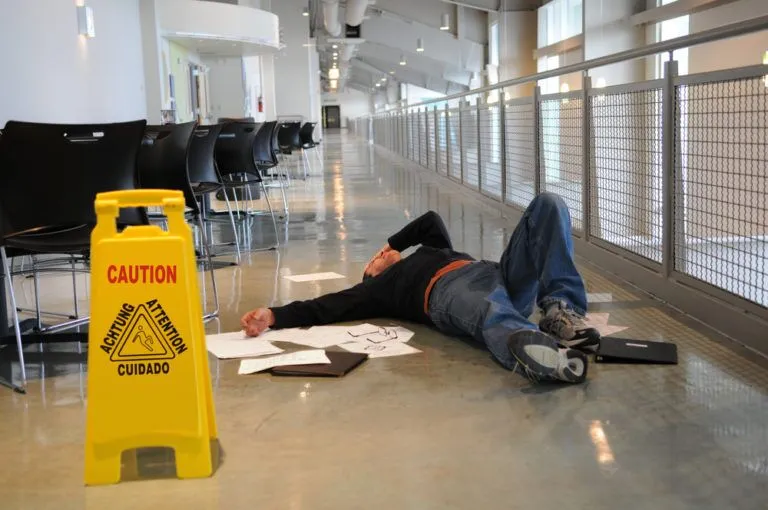
A dangerous floor, broken stair, loose mat, icy walkway, or poorly maintained surface can look completely different within hours of a fall. Cleaning, repairs, weather, or ordinary foot traffic may remove the condition involved. Preserving evidence early can therefore become one of the most practical steps after a slip and fall injury.
Capture the Condition That Existed
Photographs should show both the immediate hazard and the surrounding area. A close-up of spilled liquid may matter, but a wider image can show lighting, warning signs, entrances, nearby fixtures, or the absence of barriers.
Premises-related injury cases commonly involve negligence principles, and those rules vary according to the facts and applicable state law. Cornell’s Legal Information Institute describes negligence as a failure to exercise the level of care required under the circumstances.
Conditions Can Disappear Quickly
A spill may be cleaned. Ice can melt. A torn mat may be removed. A damaged step may be repaired.
That doesn’t mean anyone should interfere with the property. Instead, document what can safely and lawfully be observed and preserve any photographs already taken.
Report the Incident Clearly
If the fall occurs at a business, apartment property, workplace, hotel, or other managed location, report it to an appropriate employee or property representative when possible.
Ask how an incident report can be completed and obtain a copy if one is available. Broader premises injury reading may help explain terminology, but your own incident report should stick to what happened rather than assumptions about fault.
| Evidence | What to Capture | Possible Value |
|---|---|---|
| Scene photos | Hazard and surroundings | Preserves changing conditions |
| Incident report | Time and basic events | Creates an early record |
| Witness details | Names and contact information | Helps locate observers |
| Clothing or shoes | Condition after fall | Preserves physical items |
Identify Other Evidence Early
Businesses may have surveillance cameras, inspection logs, cleaning records, maintenance reports, or employee observations. An injured person usually doesn’t control those records, and retention practices differ.
Readers may encounter civil litigation publications covering many kinds of injury disputes. Slip and fall cases, however, can turn on highly location-specific details such as how long a condition existed and what the property operator knew or reasonably should have known.
Write down witness names and contact information promptly. A witness who leaves without being identified can be difficult to locate later.
Preserve Your Own Records
Keep the shoes and clothing worn during the fall if the claim may become disputed. Don’t modify, clean, or discard potentially relevant items simply to make them easier to store.
People using legal question references should also keep medical documents, receipts, photographs of visible injuries, correspondence, and records of work missed because of the incident.
If symptoms appear later, record when you first noticed them without exaggerating or attempting to diagnose yourself.
What People Often Get Wrong
A photograph of a wet floor does not automatically establish that a property owner was legally responsible. Questions may include how the hazard developed, how long it existed, whether reasonable inspections occurred, and what warnings were provided.
The opposite assumption can also cause trouble. A property owner fixing the condition quickly doesn’t make the original condition irrelevant. It makes early documentation more useful because the physical scene has changed.
When Legal Review May Be Useful
A lawyer may be worth contacting when injuries are significant, the property owner disputes the condition, surveillance footage may exist, witnesses need to be located, or an insurer requests extensive statements.
State laws differ on premises liability, comparative fault, notice requirements, and filing deadlines. Claims involving government property may also have special notice rules with shorter time limits.
Frequently Asked Questions
Should I photograph a spill after a slip and fall?
Yes, when you can do so safely and lawfully. Take both close and wide photographs showing the condition, surrounding floor, lighting, warning signs, and nearby area.
Can surveillance video matter in a fall claim?
It can. Video may show the fall, the condition beforehand, employee activity, or how long an area remained unchanged. Availability depends on whether cameras existed and whether footage was retained.
What if nobody witnessed my fall?
A claim isn’t automatically impossible without an eyewitness. Photographs, incident reports, medical records, surveillance footage, communications, and other evidence may still help establish what occurred.
Preserve the Scene While You Can
Slip and fall evidence is unusually vulnerable to change. Photograph the condition, report the incident, identify witnesses, and protect your records before routine cleanup or repairs alter the scene.
For serious injuries or disputed circumstances, local legal advice can help determine what evidence should be preserved and which deadlines apply.
This article provides general legal information and is not a substitute for advice from a qualified attorney about a specific claim.