




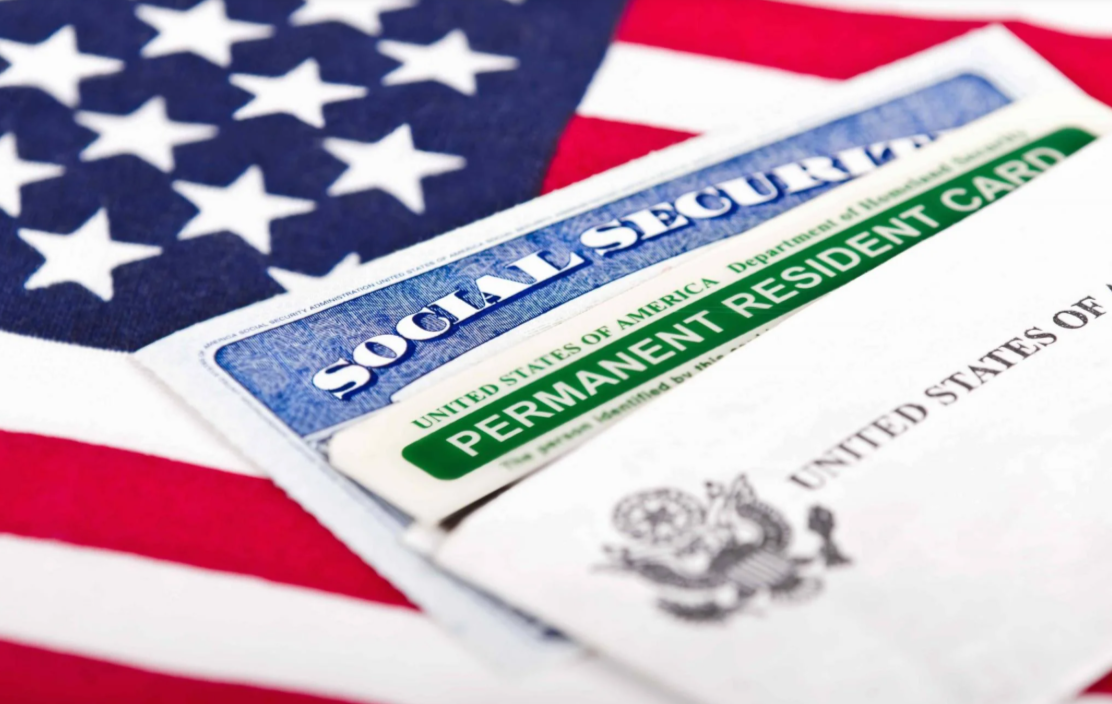







Green Card Delays – Track Cases and Required Evidence
A delayed green card case does not automatically mean something is wrong. Processing location, application type, background review, missing evidence, interviews, and other case-specific issues can affect how long an application remains pending.
The useful response is not to guess why the delay exists. Track the official case record, keep every notice, and determine whether USCIS is waiting for something from you.
Start With the Receipt and Case Status
The receipt notice is one of the most important records in a pending USCIS case. It identifies the filing and provides the receipt number used to track progress.
USCIS provides online tools for checking case status and processing information. The agency notes that routine factors can affect processing speed and that its receipt number identifies a particular application or petition.
While organizing legal paperwork, applicants may encounter estate-planning legal indexes and other directories. Those can be separate research resources, but the USCIS receipt and official account should remain the main reference for a pending immigration benefit.
Review Every Request for Evidence Carefully
A Request for Evidence, often called an RFE, means USCIS needs additional material before it can finish reviewing the matter. The notice should be read from beginning to end rather than treated as a general request for more paperwork.
Gather the evidence requested, check the response deadline, and keep a full copy of what is sent. Someone browsing custody-law information hubs or other legal subjects should avoid confusing unrelated legal documentation with evidence actually requested in the immigration case.
| Case Development | What to Check | Practical Response |
|---|---|---|
| No recent update | Processing information | Continue official tracking |
| RFE received | Evidence and deadline | Prepare complete response |
| Interview notice | Date and location | Organize required records |
| Missing mail | Address and delivery | Use USCIS service tools |
Know When an Inquiry May Be Available
A long wait by itself does not establish that USCIS has made an error. Processing expectations depend on the form, category, and office handling the case.
USCIS has an e-Request system for certain cases that appear to be taking longer than expected. It also provides tools for missing notices and documents.
Applicants comparing broader legal information through insurance attorney directories should remember that unofficial websites cannot change USCIS processing or filing requirements.
What Applicants Often Get Wrong About Delays
One common assumption is that another person’s faster approval proves something is wrong with your case. Two green card applications that appear similar can still have different histories, evidence, processing locations, or review requirements.
Repeatedly sending duplicate material can also create confusion. Unless USCIS requests evidence or an authorized procedure allows a submission, concentrate on maintaining accurate records and responding to official notices.
When Is Legal Assistance Worth Considering?
Legal advice may be appropriate when a delay is connected to an RFE, Notice of Intent to Deny, prior immigration violation, criminal history, removal proceedings, suspected fraud issue, or uncertainty about continuing eligibility.
Help may also be useful when a deadline is approaching and the requested evidence is difficult to obtain. Do not ignore an official notice because an online status page has not changed.
Frequently Asked Questions
How often should I check my green card case?
There is no need to refresh the status continuously. Check periodically and after significant events such as filing an RFE response, completing an interview, changing an address, or receiving a new USCIS notice.
Can an RFE cause additional processing time?
Yes. Additional evidence must be received and reviewed before the agency can continue making a decision. USCIS itself notes that receiving and responding to an RFE can affect case processing.
What if a USCIS notice never arrives?
USCIS provides self-service options for reporting certain notices or documents that were not received by mail. Check that your address is current and use the appropriate official service rather than ignoring the missing correspondence.
Keep the Case Organized While You Wait
A pending case is easier to manage when every receipt, notice, submission, delivery record, and response is stored together. Track what USCIS has requested rather than reacting to rumors about other applicants’ timelines.
If the delay becomes connected to a substantive legal problem rather than ordinary processing, obtain qualified advice before taking steps that could affect the application.
This article provides general legal information and is not a substitute for advice from a qualified immigration attorney.