











Why Preventive Maintenance is the Key to Long-Term Property Value
Many property owners have the wrong attitude when it comes to maintenance. They view it as a cost to cut rather than a plan to save on equity. As a result, the value of the property decreases gradually, and this is noticed only when the repair costs can no longer be avoided.
The maths behind proactive upkeep
A lot of asset management circles use the 1:10:100 rule. If you spend $1 on prevention, you avoid $10 in corrective repairs. Ignore it, and that same problem eventually costs $100 in emergency replacement. It sounds like a rough approximation until you start applying it to real building systems.
A roofing membrane inspection costs a few hundred dollars. A small leak that goes untreated for two seasons can cause structural timber damage, mould remediation, and insurance entanglements to the tune of tens of thousands. None of this math is hard – it just feels like hard work getting owners to sign off on early spending before anything looks obviously wrong.
Proactive preventive maintenance can contribute to increased sale prices down the line, as issues have already been handled and are not a concern for future buyers. On the other hand reactive “run-to-failure” maintenance can mean repairs are costing three to four times more than scheduled maintenance, with no guarantee for a prospective buyer that all potential issues have been handled. This isn’t a small difference. This is the difference between a healthy sinking fund and a special levy that nobody budgeted for.
Who pays for what, and why confusion makes it worse
Maintenance disputes in multi-unit developments often revolve around the question of who is responsible for repairs. In simple terms, anything within an individual lot is the responsibility of that lot’s owner. Anything designated as common property is maintained by the Owners Corporation, which means all lot owners via their levies. Common property includes external walls, shared corridors, roofing, and mechanical systems that serve multiple lots.
But what about the areas that aren’t so clearly black-and-white? The water leak in a shared pipe that damages a private lot interior. The balcony that’s technically common property but accessed only by one owner. These aren’t one-off edge cases – these are real-life examples that play out every day in OCs across the country. Where they end up is often in a stand-off, with both the lot owner and the Owners Corporation having good reason to believe the other should handle payment for the necessary repair works, and consequently, neither party moving forward with repairs.
There’s no need for complicated legal discussions. What is needed is a good set of records, particularly in the form of a maintenance schedule. When an Owners Corporation with a well-funded sinking fund and a maintenance plan does get presented with the above scenarios, it’s a quick and easy process to identify who should be paying for what, and the repair works generally progress without too much delay. When nobody has any records of keeping up maintenance, however, the conversation above quickly turns into a dispute, which in turn means nothing gets done all the while the problem worsens.
Where the biggest value losses hide
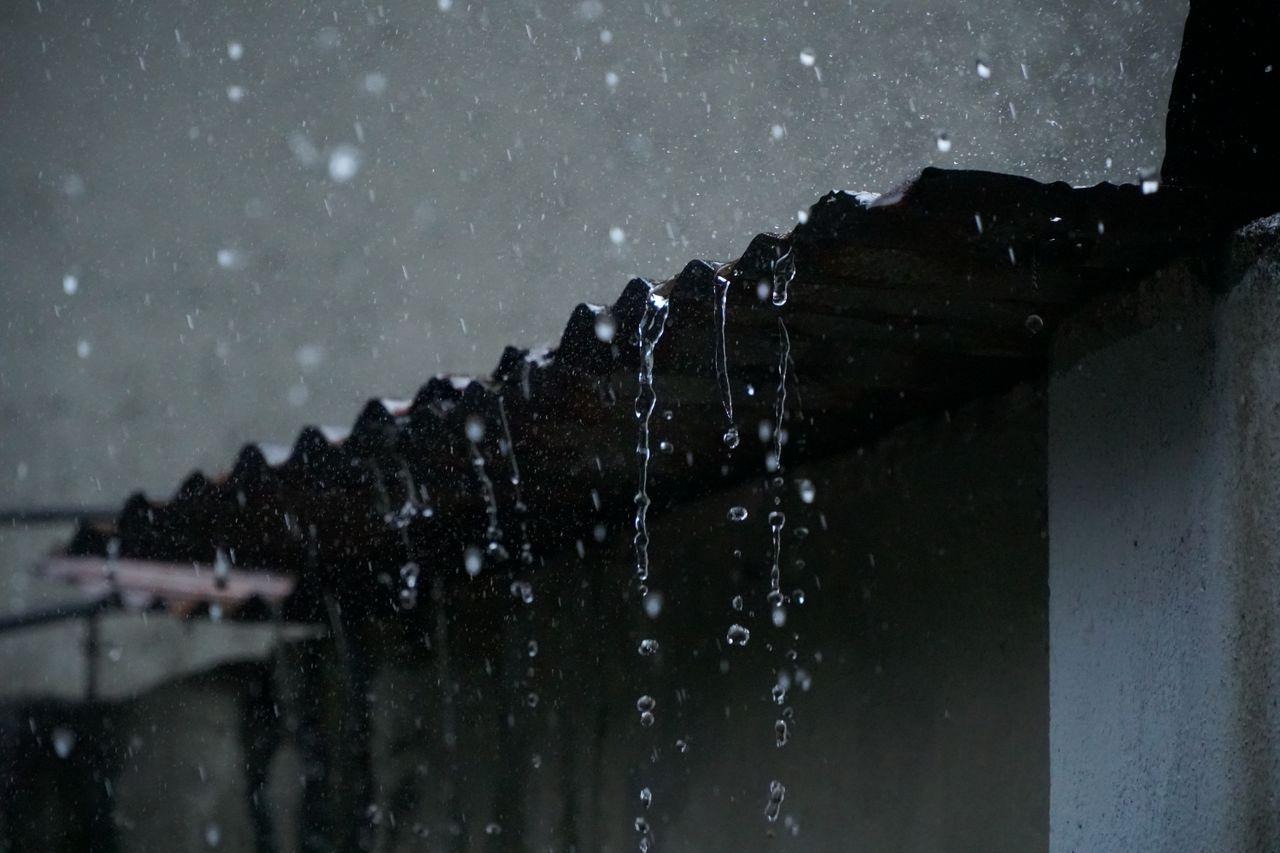
The roof, external cladding, windows, and drainage form the building envelope and should be the first priority. The damage caused by water ingress is unnoticeable for a long time, and by then it’s too late as you have a whopper of a bill. When you see damage on the inside of a building from water, the damage on the outside can already be in the thousands of dollars.
A building that has had water damage can lose a significant portion of its value. People will always discount the unknown heavily, so you will always have to discount the sale price of a property that has had a known moisture problem when you bought it. Repairing and then maintaining the building envelope is the way to halt all moisture damage.
The free-running downpipes and stormwater are the cheapest items to repair and should be maintenance-scheduled items. It’s cheaper to get someone to clear these every three months than to repair the water damage they cause.
Mechanical systems and the lifecycle problem
Delaying maintenance might save a little money in the short term, but it costs a lot more over time. HVAC systems, elevators, pumps, and building automation equipment are all examples of items with reliable maintenance schedules to avoid unexpectedly early failure. When you don’t meet those schedules, the maintenance that could be done in a few hours typically often comes with an emergency call incurring additional out-of-hours charges.
Funding repairs/break fixes from insufficient maintenance costs many times over what the maintenance would ever cost. An emergency service call to perform maintenance outside of standard hours will be charged at time and a half, and the time taken might well be more than double what it would’ve been if the maintenance were performed before breakdown.
Maintenance records as a selling point
Buyers always look into the details, and a property that has a maintenance history properly documented is totally different from one that doesn’t. Professional inspection reports and mechanical service records, along with a solid maintenance fund can all guarantee the buyer’s confidence.
Properties that have a bill of good health documented always receive better offers. The difference might not be huge sometimes, but it’s there, and it’s the result of a relatively small investment spread over time.
On the other hand, the costs of maintenance that has been put off for the final day is what comes when all other options run out – put it out there to be quoted or get it fixed, but that doesn’t mean it won’t make a dent in your sale.
Preventative maintenance shouldn’t be seen as an expense. It’s actually the most conservative, low-risk way of protecting your real estate investment, no matter the economic environment.