










Running in Manchester: Getting Faster in a City Built for It
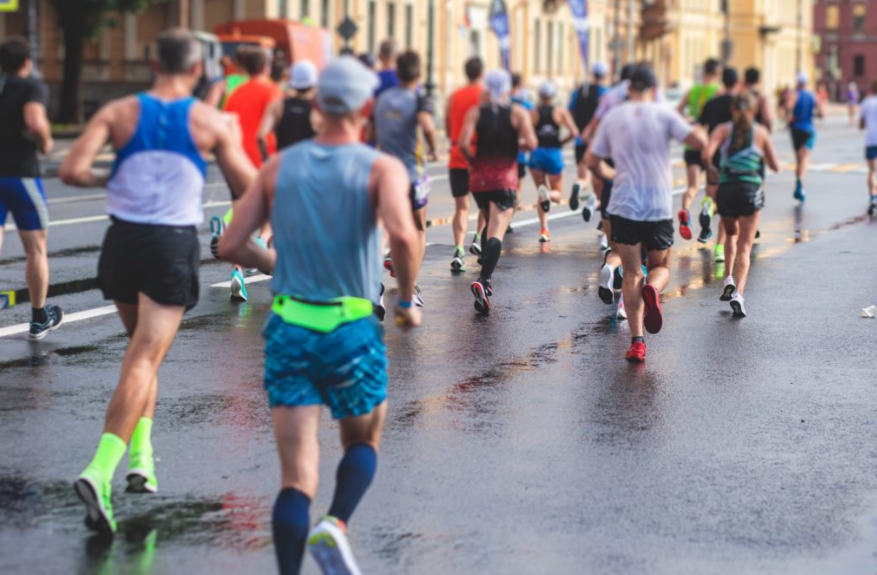
Manchester has always had the character of a city that takes things seriously, and its running scene is no exception. There are serious competitive athletes here who treat training as a second job. But there is also a broad, welcoming community of recreational runners – people running their first 10K, people returning to fitness after a break, people who simply find running is what keeps them sane. Manchester running events cater to all of them, and the quality and range of events available across the city – including strong Manchester 10k options at various points through the year – means that whatever distance or experience level you are coming from, there is something worth targeting.
Getting faster as a Manchester runner means training with intention, using the city’s infrastructure well, and choosing your race calendar strategically. It does not mean training harder in a vague sense. It means training smarter in a specific one.
The Foundation: Building an Aerobic Base
One of the most counterintuitive things about improving your running speed is that the foundation of the work is done slowly. Easy running – at a genuinely conversational pace, where breathing is comfortable and effort is clearly sustainable – is the stimulus for the aerobic adaptations that everything else rests on.
The aerobic system is where the vast majority of your energy comes from in any race from five kilometres upward. Building it requires consistent volume at low intensity. And yet most recreational runners run the majority of their mileage at a moderate intensity that is too fast to be genuinely easy, but not fast enough to produce the adaptations that come from structured speed work.
This is the polarised training principle in simple terms: most of your running should be easy enough that you could sustain it for a long time, and a meaningful portion should be fast enough that you genuinely cannot. The middle ground is where many runners spend too much time and get stuck in performance plateaus as a result.
Structured Speed Sessions
Improving racing performance requires running fast, but in a planned and purposeful way rather than simply trying to run every session as hard as possible. The three most widely used types of quality session are interval training, tempo runs, and race-pace efforts.
Interval sessions involve repeated efforts at a pace faster than race pace, with recovery periods between them. A classic format might be ten repetitions of four hundred metres at faster than target race pace, with ninety seconds of easy jogging recovery. The session builds speed and improves the body’s ability to buffer and process lactate.
Tempo running – sustained effort at a pace that feels “comfortably hard”, roughly the pace you could maintain for about an hour in a race – is one of the most effective sessions for improving performance across distances from five kilometres to the half marathon. Done once a week as part of a balanced programme, tempo running produces noticeable improvements within six to eight weeks.
Training Venues Around Manchester
The city has excellent options for varied training. Heaton Park in the north provides several kilometres of paths through varied terrain, suitable for easy aerobic runs and, for those who want hills, offering more gradient than most of central Manchester. Platt Fields Park near Fallowfield is a popular destination for interval sessions and parkrun, with a well-established running community using it throughout the week.
The canal towpath network – the Rochdale Canal, Bridgewater Canal, and Ashton Canal – provides long, flat, traffic-free routes that are ideal for tempo sessions and long easy runs. The surface is firm and the environment is genuinely pleasant for much of the year. The Fallowfield Loop, a disused railway line converted to a greenway, connects several southern suburbs and provides another off-road traffic-free route popular with local club runners.
Using Races as Training
Shorter events – parkruns, five-kilometre races, and ten-kilometre events – can be used highly effectively as quality training sessions within a broader programme. The race environment tends to produce effort levels that are very difficult to replicate in solo training: the presence of other runners, the competitive stimulus, and the structure of the event push most runners harder than they would go on their own.
Used deliberately – entered as a hard training effort rather than as a peak performance target – these events generate meaningful adaptation without the full taper and recovery cycle that a major race demands. The key is being honest with yourself about the purpose: run the race hard, but do not restructure your entire training week around it in the way you would for a priority event.
Recovery as a Training Component
Recovery is not the absence of training – it is an active component of the training process. The physical adaptations to training – stronger muscles, improved aerobic efficiency, better neuromuscular coordination – happen during recovery, not during the sessions themselves. Insufficient recovery means the training stimulus accumulates without the adaptation response that makes it productive.
The most impactful recovery tool available to any runner is sleep. Seven to nine hours per night produces measurably better performance outcomes than six or less. Nutrition – adequate protein for muscle repair, adequate carbohydrate to refuel glycogen stores after hard sessions – is the other high-leverage recovery variable. Easy or complete rest days following hard sessions are not wasted days. They are the days when the work of improvement actually happens.
Setting a Goal That Pulls You Forward
Progress in running is perhaps uniquely measurable among physical activities. A reduction in race time – even small – represents genuine physiological adaptation and is an objective record of improvement. Setting a specific time goal for a target race, and working backward from that goal to design a training plan, is more motivating and more effective than training without a specific target.
The goal should be ambitious enough to require real effort but realistic enough that a committed training block makes it achievable. That combination – meaningful challenge, realistic possibility – is what generates the motivation that sustains training through the inevitable difficult weeks of a long build.
Getting faster is a process, not an event – and it rewards consistency and patience more than any single heroic training block. Manchester gives you the routes, the races, and the community to do it well. The rest is showing up.